
Best Dog Seat Cover Setups for Coupes and Small Cars
Small cars and coupes can absolutely be dog-friendly, but they do not behave like SUVs. Narrow benches, steeper seat angles, and deeper footwells can turn a “universal” dog seat cover into a sagging hammock that blocks seatbelt buckles and pulls your dog forward during braking.
This guide walks through what works in compact vehicles and what usually fails, so you can protect your interior without overfilling the space.
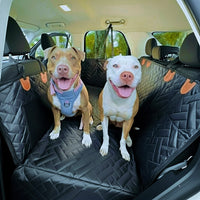
If you want stability in a tight footprint, start with a hard-bottom dog seat cover for small cars and install it with compact-vehicle constraints in mind.
Is Your Car Too Small? Quick Fit Checklist
- Your rear bench is narrow and you have pronounced side bolsters.
- Your footwell is deep and a typical hammock drops into it.
- Your seatbelt buckles sit low and get buried under covers.
- Your rear doors open less than an SUV, making side access tighter.
- Your dog tends to slide forward during braking on smooth seats.
Why Small Cars and Coupes Need a Different Dog Seat Setup
Compact vehicles have less margin for error. A cover that shifts even a little can bunch up faster, block buckles, or collapse into the footwell. And because the rear bench is shorter, dogs often have less stable footing when they stand, turn, or brace.
The goal in a small car is not maximum coverage at any cost. It is a stable, predictable surface that keeps your dog from sliding and keeps the car easy to use day to day.
Common Challenges When Traveling With Dogs in Small Cars
- Limited Rear Legroom: Less space for dogs to spread out or change positions.
- Sliding During Braking: Smaller benches and smoother seats can increase forward slide.
- Footwell Collapse: Hammock-style tension can drop into the gap, especially with heavier dogs.
- Restricted Door Angles: Tight openings make bulky covers harder to adjust and keep straight.
- Seatbelt Access Problems: Buckles are easy to bury in a compact backseat.
Regardless of vehicle size, safe travel still matters. If you want a broader safety foundation for restraint and positioning, read How to Keep Your Pet Safe While Driving.
Bench-Style vs Hammock-Style Covers in Compact Vehicles
Both styles can work, but small cars reveal the tradeoffs quickly.
- Hammock-Style: Designed to block the footwell and protect seat backs, but in compact cars it often sags into the footwell and can interfere with seatbelt access.
- Bench-Style: Offers more control in tight spaces, often making it easier to keep buckles accessible and reduce bunching against bolsters.
- Hard-Bottom Designs: Can span gaps more effectively and reduce the “drop” that happens when a cover relies on fabric tension alone.
If you want a clear breakdown of these styles before you choose, see What’s the Difference Between Hammock-Style and Bench-Style Seat Covers?.
Why Stability Matters More Than Coverage in Small Cars
In a compact backseat, your dog’s movement affects balance more. If the cover slides or dips, your dog has to brace constantly, which can look like pacing, standing instead of lying down, or repeated repositioning.
That is why stability-first setups often feel calmer for dogs and more manageable for owners. A flatter surface with less drift reduces micro-movement and helps dogs settle faster.
For the engineering logic behind stability, read Why Choosing a Hard Bottom Dog Seat Cover.
Recommended Seat Cover Setup for Coupes and Compact Cars
This setup prioritizes three things: stable footing, usable seatbelt access, and minimal bulk.
| Compact-Car Setup Step | What To Do | Why It Helps |
|---|---|---|
| Choose The Primary Seat | Use the backseat when possible for safer containment and better restraint options. | Backseats typically reduce airbag risk and create a more controlled space. |
| Control Footwell Drop | Position the base so it spans the bench without hanging deep into the footwell. | Less drop means less sag, less sliding, and easier stand-to-lie transitions. |
| Tighten Straps Without Over-Pulling | Snug straps to reduce drift, but avoid pulling the cover so tight that it bunches against bolsters. | In small cars, overtension can create wrinkles that trap dirt and block buckles. |
| Keep Seatbelt Buckles Accessible | Route openings and align the cover so you can reach buckles quickly. | Seatbelt access matters for harness restraint and everyday usability. |
| Add A Simple Comfort Layer If Needed | If your dog is nervous or the bench is firm, add a thin blanket on top. | It improves comfort without adding bulk or changing stability. |
If you want to measure first and avoid guessing in tight spaces, use Dog Seat Cover Size and Fit Guide.
Best Dog Types for Small-Car Setups and How to Adapt
Small cars can work well with dogs, but it helps to be honest about constraints.
- One Small or Medium Dog: Usually the easiest fit for coupes and compact vehicles.
- One Large Dog: Often workable for shorter trips if the cover stays flat and seatbelt access remains usable.
- Senior Dogs: Stability and flat support matter more than coverage, especially for balance and joint comfort.
- Two Dogs in a Coupe: Usually not recommended, simply because there is not enough stable space for two dogs to reposition safely.
If you travel with an older dog and want a senior-specific compact-car approach, read Safe Comfortable Travel for a Senior Dog in a Compact Car.
Cleaning and Maintenance in Tight Interiors
Hair and grit build up faster in small cabins. The best strategy is frequent light cleaning, because once hair embeds into seams and carpet edges, it becomes a bigger job.
- After Rides: Quick shake-out and wipe down high-contact areas.
- Weekly: Vacuum the cover and the seat edges where hair likes to collect.
- After Rain or Mud: Wipe the cover the same day so moisture and dirt do not settle into folds.
For a step-by-step routine, see How to Clean a Dog Seat Cover. If hair control is your main battle, use How Do You Protect Your Car Interior From Dog Hair?.
Real-World Compact Car Scenarios
Coupe Plus Weekend Trips
The biggest wins come from reducing footwell sag and keeping the cover from drifting during stops. If your cover stays planted, your dog settles faster and your seats stay cleaner.
Small Sedan Plus Daily Commuting
Daily rides amplify small issues. A cover that bunches slightly each trip becomes a constant cleaning problem. A stable setup reduces day-to-day friction.
Compact Car Plus Senior Dog
For senior dogs, the priority is predictable footing. A flat surface helps reduce slipping, anxiety, and repeated repositioning.
If you want guidance on replacing a cover that has started sagging or slipping, see When to Replace Your Dog Seat Cover.
Final Thoughts: Small Cars Can Still Be Dog-Friendly
You do not need a big SUV to travel safely with your dog. In small cars, smart setup matters more than vehicle size, and stability matters more than trying to cover every inch.
If you want a compact-friendly foundation that is designed to stay flatter and reduce cover drift, the Whisker Bark hard-bottom dog seat cover can work well in coupes and small cars when installed with careful strap tension and seatbelt access in mind.
Share