

Safe and Comfortable Travel for a Senior Dog in a Compact Car
Traveling with a senior dog usually takes a different setup than traveling with a younger, more agile pup. Many older dogs deal with stiffness, reduced balance, or travel anxiety, and those issues can feel sharper in a compact car where the bench is tighter and the footwell drop is more noticeable. AAHA’s mobility resources are a helpful overview of common osteoarthritis signs and why stability matters for comfort over time: AAHA Mobility Matters.
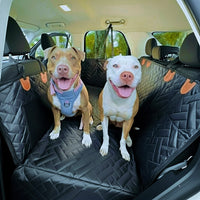
This guide explains how to create a safer, calmer, joint-friendlier compact-car setup for an older dog, starting with predictable footing. If you want a flat base layer that is designed to stay steadier under paws, start here: stable dog seat cover for senior dogs.
Start With A Quick Comfort And Mobility Check
Before you change your car setup, confirm what your dog is telling you. If you notice new hesitation, trembling, or a sudden change in movement, it is a good moment to check in with your veterinarian. AAHA also publishes a simple handout of common pain signals that owners can watch for: 15 Signs Of Pain In Dogs.
Why Compact Cars Can Be Harder For Senior Dogs
Compact cars are not automatically “worse” for older dogs, but they do have a few predictable constraints that affect comfort:
- Tighter bench space: less room to reposition can make stiff dogs more reactive to turns and braking.
- More pronounced footwell drop: if the riding surface sags or slopes, dogs often brace to avoid sliding.
- Shorter door openings: twisting to enter can be harder on hips, shoulders, and spine for some seniors.
- More buckle crowding: smaller cabins often mean tighter buckle access and less forgiving strap angles.
Set Up The Back Seat So The Surface Feels Predictable
The goal is simple: give your dog a surface that does not shift, does not dip into the footwell, and does not force awkward angles.
- Reduce sag and slope: if your setup creates a center dip, many senior dogs will brace and tense up.
- Prioritize traction: slipping, even small slips, can make older dogs anxious fast.
- Support a natural resting posture: most seniors settle better when they can lie fully supported or sit with a steady backrest.
Help A Senior Dog Get In And Out Without Twisting
Entry and exit are often the hardest moments for older dogs. In compact cars, the best improvement is usually reducing twisting and impact.
Choose Step In Over Jump In
If your dog still likes to hop, slow them down with a short pause at the door, then guide a step-in. If your dog hesitates, slips, or seems stiff after rides, consider steps or a ramp and ask your vet whether that is appropriate for your dog’s condition.
Make The First Paw Placement Grippy
Most slips happen on the first paw placement. A stable surface with reliable traction usually reduces hesitation more than extra fluff does.
Restraint And Placement For Compact Cars
Comfort and safety work best together when your dog is restrained and positioned consistently. The ASPCA’s travel safety tips are a good general reference: ASPCA Travel Safety Tips.
- Back seat is usually the simplest option: many organizations recommend avoiding the front seat due to airbags and driver distraction concerns. AKC discusses this in their car-ride comfort guidance: Keep Your Dog Comfortable During Car Rides.
- Use a restraint method you can repeat every trip: a crash-test-focused reference list for certain harnesses is available from Center for Pet Safety: CPS Approved Harnesses.
- Avoid belt-path tangles: keep the clip point and belt routing consistent so your dog does not end up crossing buckles or twisting mid-ride.
Calm Anxious Seniors By Removing Wobble First
Many senior dogs get more anxious in the car because balance feels less certain. Start by making the riding surface predictable, then layer in the calming habits that work for your dog: airflow, a familiar scent item, and smooth driving.
If anxiety is a frequent issue for your dog, this guide covers additional strategies you can try: how to control dog anxiety during car rides.
Breaks And Stiffness A Practical Routine
Older dogs often do better with more frequent breaks than younger dogs. A common veterinary guideline is to plan stops every two to three hours so your dog can walk, drink, and reset posture. VCA’s road-trip safety tips include that range: VCA Road Trip Safety Tips.
What To Watch For During The Ride
If you see any of these, treat it as a signal to stop and reassess the setup rather than pushing through:
- Repeated bracing: wide stance, stiff legs, or constant “catching” during turns.
- Reluctance to lie down: pacing or frequent repositioning can mean the surface feels unstable.
- Slipping events: even one or two small slips can increase travel anxiety quickly.
- New or worsening discomfort: yelps, trembling, or refusal to get back in the car.
Choosing A Seat Cover For A Senior Dog In A Small Car
In compact vehicles, the cover either helps stability or it becomes another moving layer. When comparing options, look for:
- A surface that stays flat: less sag usually means less bracing.
- Traction under and over: helps prevent slip events during turns and braking.
- Easy step-in access: avoid tall walls that force awkward climbing for stiff dogs.
- Waterproofing: useful for accidents and easier cleanup.
- Seatbelt access: so restraint can be used without digging under fabric.
For broader safety framing beyond compact cars, see: how to keep your dog safe while driving. If your senior dog is also heavier or rides with a second dog, this guide adds stability considerations: best dog seat cover for large and senior dogs.
Help A Senior Dog Travel Comfortably
Compact cars can still be senior-dog friendly when you remove wobble, reduce twisting on entry, and give your dog predictable footing. Add breaks, smooth driving, and a consistent restraint routine, and most families notice the ride feels calmer and more manageable.
If you want a foundation layer that emphasizes a hard bottom build with waterproof protection for senior-dog travel, explore the Whisker Bark Hard Bottom Dog Seat Cover.
Share