
Door And Console Protection For Dogs In SUVs And Trucks
Seats get most of the attention, but doors and center consoles take the daily abuse. Dogs lean for balance, brace during turns, and post up at the window without meaning to cause damage. If you are already protecting the seat, this is usually the missing piece: protecting the side surfaces that take constant pressure.
If you want a system-level approach to how to protect your car interior from dog hair and damage, start thinking beyond the seat. A stable base paired with side coverage is often the cleanest way to reduce scuffs, claw marks, and grime on modern interiors.
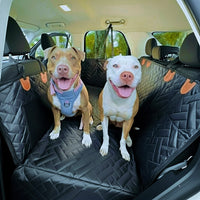
For SUVs and trucks, a practical starting point is a dog seat cover with integrated door protectors so the protection stays aligned where your dog actually leans and braces.
How Dogs Damage Door Panels And Center Consoles
Most door and console damage comes from normal movement, not “bad behavior.” Even calm, well-trained dogs do the same few things repeatedly, and modern materials show it faster than older interiors.
- Bracing During Turns: Dogs push outward to stabilize their body when the vehicle shifts.
- Window Viewing: Standing with paws on the door armrest concentrates nail pressure in one spot.
- Entry And Exit: Tall SUVs and trucks increase jump force, which often lands on doors, bolsters, and consoles.
- Wet Paws And Grit: Mud, sand, and dust create abrasion that behaves like sandpaper on soft-touch panels.
- Console Leaning: Many dogs treat the center console like an armrest, especially in wide-trim trucks.
| High-Risk Interior Zones Checklist |
|
Why Modern SUVs And Trucks Are More Vulnerable
Newer interiors look premium, but they are often easier to mark up than older, tougher materials. The same dog that left barely a trace in an older vehicle can create visible scuffs in a modern SUV or truck.
- Larger Doors: More surface area means more chances for paws to land and drag.
- Soft-Touch Trims: Coated leather, vegan leather, and soft polymers can show scratches and rub marks quickly.
- Wide Consoles: Modern trucks and SUVs often have large consoles that dogs naturally use for bracing.
- Higher Ride Height: More “up and down” force during entry and exit increases contact with side panels.
If your vehicle layout includes cargo travel plus rear bench use, it helps to understand how dog seat covers for SUVs, cargo, and backseat setups change where dogs place their weight and paws.
Door Protectors Vs DIY Solutions
DIY solutions work for a day, but they usually fail because they do not stay aligned with the dog’s movement. The door is a vertical surface, and dogs press into it. Anything that shifts, slips, or droops becomes a frustration point.
Common DIY Options And Their Tradeoffs
- Towels And Blankets: Easy, but they slide and bunch, and they often expose the exact armrest area that gets scratched.
- Suction Mats: Can look clean at first, but suction can fail with temperature swings and textured trim.
- Clip-On Door Panels: Better than towels, but they can drift out of position when the dog pivots or braces.
Why Integrated Door Flaps Tend To Work Better
- They stay aligned because they are part of the same anchored system as the seat cover.
- They move with the coverage instead of fighting it, which reduces gaps during turns.
- They avoid adhesive residue and the “peel and re-stick” cycle of suction solutions.
How A Stable Seat Cover Reduces Door And Console Damage
Here is the counterintuitive part: the best way to protect doors and consoles is often to reduce movement at the seat level first. When the riding surface shifts, dogs compensate by leaning harder and bracing wider. When the surface is stable, dogs settle sooner, and they do not need to “catch themselves” with their paws.
That is why the hard-bottom dog seat cover difference matters for side-surface protection. Less sliding on the bench usually means less pressure on the doors and less leaning on the console.
Protecting The Center Console Specifically
The center console becomes a target for three reasons: it is the highest “handrail” in the cabin, it sits near the dog’s center of mass, and it is often positioned exactly where a dog braces during braking. Console protection improves when your setup keeps the dog centered and gives them a stable platform to rest on.
- Reduce Console Leaning: A stable base gives dogs confidence to lie down instead of standing and scanning.
- Control Positioning: Use harness restraint so your dog can change posture but not drift into the console.
- Keep Buckles Usable: Consistent buckle access helps you actually use restraint every time, not only on long trips.
A setup that supports seatbelt access makes it easier to keep dogs centered without creating a complicated routine.
Best Interior Protection Setup For SUVs Vs Trucks
Doors and consoles are damaged in both vehicle types, but the “why” looks slightly different. Use these setup cues as a starting point.
SUV Setup Priorities
- Prioritize door flaps for the rear doors where paws land during window viewing.
- Keep the dog off side bolsters where scuffs and compression marks show up first.
- If you rotate between cargo and bench travel, keep protection consistent so the dog’s habits stay predictable.
Truck Setup Priorities
- Wide rear doors and taller panels increase the “paw-to-door” contact zone.
- Crew cabs often have large consoles that invite leaning during stops and turns.
- Anchoring matters because leather benches can make covers drift more easily under movement.
If you drive a crew cab, it helps to build around dog seat covers for trucks in crew cab layouts so side protection matches the way dogs enter and brace in wider cabins.
Cleaning And Maintenance For Door And Console Areas
Side surfaces stay cleaner when you remove grit before it gets rubbed in. The goal is not constant deep-cleaning, but a simple rhythm that prevents permanent scuffing.
- Quick Wipe Routine: After wet or muddy trips, wipe door armrests and console edges before the dirt dries.
- Focus On Contact Points: Clean where paws rest, not only where you see hair.
- Prevent Grit Buildup: Shake out or wipe down your cover so sand and dust do not migrate to seams and side panels.
A consistent routine from how to keep your car clean as a dog owner makes premium interiors feel low-maintenance, even with big dogs.
| Most Overlooked Damage Areas |
|
Quick Decision Guide: Seat-Only Vs Full Side Protection
| If This Is Your Problem | Seat-Only Coverage | Full Side Protection |
|---|---|---|
| Paw Marks On Door Armrests | Helps The Seat, But Leaves The Door Exposed | Adds Door Coverage Where Paws Actually Land |
| Dog Leaning Into The Console | May Reduce Mess, Not Console Contact | Stability And Centering Reduce Leaning Behavior |
| Wet Trips And Muddy Paws | Seat Protected, Side Panels Still Get Splash And Rub | Side Coverage Helps Catch Shake-Off And Paw Smears |
| Big Dogs Bracing During Turns | Movement Still Transfers To Doors | Less Sliding Usually Means Less Bracing Pressure |
Final Thoughts: Full Interior Protection Means Thinking Sideways
Protecting the seat is a good start, but it is rarely the full solution in modern SUVs and trucks. Doors and center consoles take constant pressure because dogs lean, brace, and pivot during normal driving, especially when the riding surface shifts.
If you want a cleaner, calmer setup that protects the areas most owners miss, a dog Whisker Bark seat cover with integrated door protectors helps keep side surfaces covered while a stable base reduces the sliding that causes bracing in the first place.
Share