

The Hard Bottom Dog Seat Cover Difference
Most dog car seat covers work fine for quick errands. The problems show up when you add a big, athletic dog, wet gear, and rough roads. Soft fabric can sag into the footwell, dogs drift toward the middle, and straps loosen after a few trips of climbing in and out.
This guide explains what a hard bottom dog seat cover is, when it helps, and how to prove the fit in your own vehicle with quick measurements. If you want to see a hard bottom option built for active travel, start here: hard bottom dog seat cover.
Pro tip: After you tighten a cover, place a small piece of tape on each strap where it meets the buckle. If the tape shifts after a week, you have strap creep and can fix it before the cover starts sliding.
The Problem With Soft Covers In Real Use
If your cover looks great in photos but feels chaotic on the road, it is usually one of these failure modes.
- Footwell sag: The center dips into the gap between the bench and floor, creating a slide to center surface.
- Sling effect: Hammock fabric hangs like a swing, so dogs lose predictable footing during turns and braking.
- Drift: The cover shifts a little each trip until it is bunched at the centerline or pulled off the seat edge.
- Anchor pull up: Seat anchors pop out during entry and exit, especially when dogs jump in fast.
- Door contact: More trips mean more scratches and mud on doors if side coverage is inconsistent.
What A Hard Bottom Dog Seat Cover Is
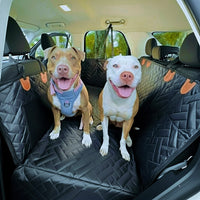
A hard bottom dog seat cover is a backseat cover with a reinforced base insert designed to stay flatter under load. Instead of hanging into the footwell, it aims to bridge the gap so dogs have a more level surface to sit or lie on.
In practical terms, hard bottom designs typically focus on:
- A rigid or semi rigid base insert inside the cover
- More consistent tension across the bench
- Less center dip compared with fabric only hammocks
Important context: a hard bottom can improve footing and reduce sag in many vehicles, but it does not replace proper restraint. For safety guidance on dogs riding in vehicles, see AVMA guidance on pets in vehicles. It is an upholstery and stability upgrade, not crash protection.
Two Quick Tests That Make This A Yes Or No Decision
You do not need special tools. Use a tape measure (or ruler) and your phone camera. These cutoffs are practical guidelines so you can make a clear choice instead of guessing.
Test 1: Sag Depth
- Install your current cover and tighten it the best you can.
- Lay a straight object across the bench where paws land most (yardstick, broom handle, or stiff cardboard).
- Measure the vertical drop from that straight edge to the lowest point of the cover in the middle.
- 0 to 1 inch: Many dogs feel steady if drift is also controlled.
- 1 to 2 inches: Sliding and bracing becomes common with larger dogs or multi dog riding.
- Over 2 inches: A flatter platform or a different layout is usually the fastest fix.
Test 2: Drift After Two Short Trips
- After installing, take a photo of the cover edge lined up with a seat seam.
- Drive two short trips (short errands are perfect).
- Take the same photo again and compare alignment.
- Less than 1 inch of movement: Reseat anchors and tighten evenly, you are close.
- 1 to 2 inches: Treat it as strap creep or shallow anchors and reinstall with even tension.
- More than 2 inches: Consider a different cover style, better grip, or fewer dogs sharing the same surface.
Soft Bottom Vs Hard Bottom Seat Covers
Neither style is best for everyone. The right choice depends on whether you are failing the sag and drift tests and how your dog behaves in the car.
| Category | Soft Bottom Cover | Hard Bottom Cover |
|---|---|---|
| Footing And Flatness | More likely to dip into the footwell in deep seat vehicles | Often stays flatter by bridging the gap |
| Best For | Small to medium dogs, calm riders, shallow footwells | Large dogs, multi dog riding, dogs that slide or brace |
| Convenience | Lightweight, easier to fold and store | Heavier, takes more space when removed |
| Mess Management | Varies by fabric and waterproofing | Varies by fabric and waterproofing, flatness can reduce grit pooling |
If you want more on format differences, see hard bottom vs soft bottom seat cover comparison.
How To Set Up A Hard Bottom Cover So It Actually Stays Flat
A hard bottom insert helps most when the install is tight and even. Use this sequence:
- Seat anchors first: Push anchors deep into the seat crease so they resist upward pull.
- Center the base: Align the base so it spans the seating area evenly, not pulled toward one door.
- Even tension: Tighten left and right straps in small alternating steps until the cover sits centered.
- Lock in the first week: Recheck strap tension after trip one and trip two.
- Confirm restraint access: Make sure seatbelt access points remain usable for a harness or carrier setup, and if you want independent data when choosing a harness, review Center for Pet Safety harness test results.
Who Tends To Benefit Most From A Hard Bottom
Use this as a fast fit checklist.
- You fail the sag test: Your current cover dips more than 2 inches in the center.
- Your dog braces or slides: You see wide stance, stiff legs, or repeated drifting to the middle on turns.
- You have a large dog or two dogs sharing the bench: More shared load makes sag and drift show up faster.
- You ride after hikes: Mud, sand, and wet coats make cleanup easier when the surface stays flatter and does not bunch.
If your main issue is simply space, no cover can fix that. In that case, your best upgrade is a different layout, like zoning (backseat plus cargo) for multi dog travel.
Mistakes That Make Any Cover Fail Faster
- Leaving slack in the system: Small looseness becomes big drift once your dog starts moving.
- Skipping grit cleanup: Fine sand and dirt act like sandpaper on stitching.
- Ignoring nails: Long nails increase puncture and snag risk, especially at the seat edge.
- Washing too aggressively: High heat and harsh cycles can stress coatings and seams. Follow the care label.
- Relying on a cover as restraint: A stable surface helps comfort, but restraint is what reduces injury risk in sudden stops, and distraction prevention matters too (see AAA tips for driving with your pet).
Safety Basics For Car Travel With Dogs
A seat cover protects your upholstery and can improve footing, but it does not restrain your dog. Many safety recommendations focus on reducing distraction and keeping dogs secured with a carrier or a properly fitted harness system.
If your dog shows distress in the car (refusing to ride, heavy panting, drooling, or sudden behavior changes), consider shorter sessions while you adjust the setup and check in with your veterinarian for guidance, and review practical travel setup guidance like ASPCA travel safety tips.
Final Thoughts On The Hard Bottom Difference
The hard bottom difference is simple: it is about flatness. If your current cover fails the sag test or keeps drifting after two short trips, a hard bottom design is worth considering because it can bridge the footwell and create more predictable footing for many dogs.
If you do not fail those tests, you may not need a hard bottom at all. In that case, focus on tighter installation, door protection, and a cleaning cadence that keeps grit from grinding into seams.
If you want a structured option designed for active travel, explore the Whisker Bark hard bottom dog seat cover. For muddy seasons and wet trail days, many owners also prioritize a Whisker Bark dog seat cover with a waterproof surface so cleanup stays quick after the ride home.
Share