

IVDD Breeds: Why Long-Back Dogs Are Prone & What to Do Now
You have a long-backed dog and you are seeing changes that make you wonder if this could be IVDD and what to do next. This article gives you a simple, symptom-based decision framework for urgency, everyday risk reduction, and when a rear-support wheelchair is a reasonable vet-cleared tool. Start with the “what you see” section, then use the wheelchair fit checks if mobility support is on the table.
What You See And What To Do Next
Pattern 1: Still Walking, But Movement Looks Different. Think reluctance to jump, slower stairs, a stiff back, a tucked posture, or a gait that looks “off” but not collapsing. In many cases, this is a schedule-a-visit-soon situation: reduce big triggers now (no stairs, no furniture jumping, short leash walks on good footing) and book an exam so your vet can check pain, reflexes, and whether rehab or PT is appropriate.
Pattern 2: Pain-Forward Episode. Yelping, trembling, a tight or hunched back, guarding, or refusing to be picked up are generally call-today signs. Do not “test” your dog by stretching the spine, checking range of motion, or coaxing extra walking to see if they loosen up; keep movement minimal until your vet advises otherwise. If you must lift, support chest and hips together so the spine stays level.
Pattern 3: New Neurologic Changes. Knuckling, crossing legs, wobbliness, scuffing nails, toe dragging, or sudden weakness should move faster than wait-and-see. Contact your vet the same day; if weakness is progressing, your dog cannot stand, or you notice loss of bladder or bowel control, treat it as an emergency and follow your clinic’s directions. These are the situations where your vet may discuss imaging, referral, or a surgery consult depending on exam findings and how quickly signs are changing.
Pattern 4: Not Reliable On The Rear End After Treatment. Some dogs stay bright and eager but cannot finish bathroom trips safely, fatigue quickly, or fall when turning. When your veterinarian clears assisted movement, many owners combine rehab guidance with mobility support like a rear support harness or a cart for short, controlled outings; reviewing ivdd stages in dogs can help you describe the walking change clearly at follow-ups. If a cart is part of your vet-approved plan, a dog rear leg wheelchair can help some dogs stay safer and more consistent on their rear end during supported movement.
Why Long-Back Breeds Are Prone To IVDD
IVDD involves the discs between vertebrae, which can bulge or rupture and irritate the spinal cord or nearby nerves. VCA’s overview of intervertebral disc disease (IVDD) in dogs covers what it is and the signs owners often notice. From an owner’s perspective, what matters day-to-day is that back pain and nerve changes can show up as “small” movement differences before they look dramatic.
Many classic IVDD breeds are chondrodystrophic (short legs, longer body), and disc degeneration can occur earlier in life in these dogs. Cornell notes that some dogs are predisposed to IVDD, but any dog can be affected. Practically, a long back plus daily jumping, twisting, slipping, or awkward landings can add up, so the best time to change the environment is before the next “oops” moment.
Everyday Changes That Lower Risk
You cannot remove all risk, but you can reduce the high-torque situations that commonly show up in hindsight as the trigger. Pick the few changes you can enforce every day, because consistency matters more than a perfect plan you cannot maintain.
- Stop furniture jumping with ramps or blocked access when you cannot supervise.
- Improve traction on slick floors with runners or non-slip mats near turns.
- Reduce stair trips if you see hesitation, scrambling, or speed-running.
- Keep body weight lean so each step loads the spine less.
- Lift level by supporting chest and hips together, never letting the rear dangle.
Weight is one of the few levers that helps almost every mobility plan because it affects every step. AAHA summarizes why obesity in dogs matters, and your vet can tell you what “lean enough” looks like for your dog’s frame. For exercise, controlled straight-line walks on good footing are often a safer default than fast fetch with sharp cuts for an IVDD-prone body.
When A Wheelchair Helps And How To Avoid A Bad Fit
A wheelchair is not an instead-of-the-vet tool, and it is usually a poor match during painful, unstable periods or when your veterinarian has prescribed strict rest. It tends to fit best when your dog is mentally bright and wants to move, the front end is strong enough to steer and support, and your vet is comfortable with controlled assisted activity. It is also a mismatch if your dog cannot tolerate being harnessed calmly, or if your typical terrain is uneven enough that tipping and sudden jolts are likely.
Before you judge whether “the cart works,” check three visible basics: spine level (no sagging or rounding), straight tracking (the cart does not pull left or right), and clean contact points (no pinching at armpits or groin). Many setup problems look like “my dog hates it,” when the real issue is that the cart is too high, too low, or unbalanced so the front end has to do all the work. If your dog is toe-dragging on one side more than the other, treat it as a cue to reassess alignment and talk to your vet, not as something to force through.
The table below covers common failure modes owners run into, plus the adjustment that often fixes it.
| If You Notice This | Try This Or Reassess This |
|---|---|
| Front end looks overloaded or wheels “chatter” | Recheck balance and height so your dog is not pitching forward while rolling. |
| Belly or straps drag, or rear posture looks over-stretched | Adjust height and strap position; dragging creates friction and trips on thresholds. |
| Redness, damp fur, or hair loss at armpits or groin | Stop and adjust immediately; rubbing is a do-not-push-through sign. |
| One wheel lifts on turns or the cart drifts sideways | Slow down, widen turns, choose flatter routes, and reassess stability before progressing. |
Wheelchairs should roll straight with a level spine and contact points that stay dry and rub-free. Supervise every session, ramp up gradually with short sessions in the first week, and stop to reassess if you see rubbing, pinching, distress, tipping, refusal to move, sudden mobility change, or rising pain. Also be realistic about home layout, indoor traction, outdoor terrain, and whether you can safely lift and steer.
Final Thoughts
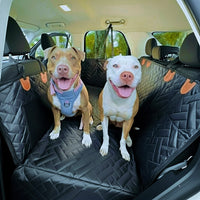
With IVDD-prone dogs, the most useful skill is matching what you see to the right urgency: subtle gait changes can often wait for a near-term exam, while pain or neurologic changes should not. ACVS explains that treatment for intervertebral disc disease can range from conservative care to surgery depending on the case and exam findings. If mobility support is part of your vet-approved plan, the Whisker Bark dog wheelchair can help provide steadier rear support during controlled movement. For car rides between appointments, our Whisker Bark dog seat cover is waterproof to help protect your back seat from accidents and wet paws.
Share