

How to Talk to Your Vet About IVDD and Wheelchair Use
You’re looking at IVDD in your dog and you need to pick the next step: conservative care, rehab/PT, a surgery consult, and whether a wheelchair belongs in the plan. The fastest way to get to a clear recommendation with your vet is to match what you’re seeing at home to one of four common “today patterns,” then report a few details that change the plan. This article gives that framework, plus how to talk about a wheelchair trial without guessing outcomes.
Start With The Pattern You’re Seeing Today
With IVDD, management varies with severity, so two dogs with “IVDD” can need very different next steps. Use the patterns below to decide what your next vet conversation should focus on, then let your vet confirm staging based on the neurologic exam and timeline.
Pattern 1: Pain-Forward And Movement Is The Problem. You’re seeing yelping, trembling, a tight guarded posture, or refusal to move or be handled. The practical next step is usually pain control plus clear activity limits, because uncontrolled pain can make rehab and mobility equipment unsafe or intolerable. Pattern 2: Walking Looks Uncoordinated. You’re noticing wobbling, knuckling, scuffing nails, crossing legs, or suddenly “drunk” steps. The next step is staging plus specific guidance on which changes mean you should call sooner than planned.
Pattern 3: Function Is Worsening Fast. Your dog cannot stand, cannot take steps they could take yesterday, or shows a sudden major change in limb use. This is the pattern to ask about urgent referral, imaging, or a surgical consult, since surgery may be recommended when neurologic deficits are severe. Pattern 4: Deficits Are Stable, But Daily Life Is Failing. Your dog is not clearly worsening, but slipping, falling, and toileting are becoming unsafe, or you cannot safely support them through the day. This is where mobility planning can help most, including home traction changes, rehab timing, and sometimes support gear.
- Call your vet today for new inability to stand or take steps.
- Call your vet today if pain signs persist despite prescribed medication.
- Call your vet today for new loss of bladder control or inability to urinate normally.
- Call your vet today if function is worsening over hours or since yesterday.
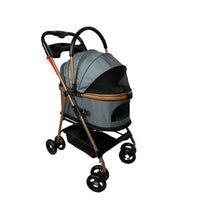
If your vet agrees a cart fits the “stable deficits, daily life failing” pattern, start with an adjustable dog wheelchair you can fine-tune as comfort and strength change.
What To Report So Your Vet Can Stage IVDD Faster
Your vet is usually trying to clarify two things quickly: pain and neurologic function. The VCA overview of intervertebral disc disease reflects that split, so your job is to report what you’re seeing without trying to diagnose.
Use plain language: what changed, what your dog can and cannot do today, and what is unsafe at home. These five items are usually enough to move the conversation forward:
- Pain: yelping, trembling, guarding, or refusing normal movement or handling.
- Coordination: knuckling, scuffing nails, crossing legs, swaying, or sudden unsteady steps.
- Strength: stands unaided, holds a stand, or collapses after a few steps.
- Toileting: new accidents, leaking, straining, or inability to posture normally.
- Pattern over time: better, worse, or unchanged after rest, medication, or brief activity.
Then add the home constraints that change recommendations: stairs versus ramps, slick floors, narrow doorways, car transfers, and which surfaces reliably trigger slipping or scuffing. If strict rest is being considered, ask your vet to define what “rest” means for your dog and align on basics like these crate rest basics.
Surgery, Conservative Care, And Rehab Questions That Expose Tradeoffs
Use questions to surface tradeoffs and “what would change the plan,” not to chase guarantees. You’re trying to leave the appointment knowing what worsening looks like for your dog, what you should avoid at home, and what the next checkpoint is.
For a surgery consult: What is the primary goal for this case (pain control, walking, continence)? What findings make you recommend surgery versus not? What specific change means we should return urgently? What will the first week at home require for lifting, toileting, and preventing slips?
For conservative care: What does conservative care mean for my dog today (rest, medication, rehab timing)? Which at-home activities are allowed right now and which are off-limits? What exactly would count as worsening for you: paw placement, ability to stand, urination changes, or pain despite meds?
For rehab/PT: Which therapies are appropriate now, and which movements should we avoid right now? What signs mean we did too much (pain flare, worse knuckling, more scuffing, refusal to stand)? If pain control is part of the plan, ask how it is individualized using the AAHA pain management guidelines as background.
How To Discuss Wheelchair Use Without Guessing Outcomes
A wheelchair is not “the IVDD plan.” It is a tool that can make daily life safer when deficits are stable enough to use it and your vet wants controlled mobility, like safer potty trips, fewer falls, and less risky lifting for you. Lead with one decision question: “Is a cart appropriate now, or would it interfere with rest, pain control, or rehab?”
A cart trial is often a poor fit right now if pain is not controlled, function is changing quickly, handling is not tolerated, or any attempt triggers distress and refusal that does not improve with simple fit changes. It can also backfire when a dog tries to push through discomfort in the cart and you end up doing more movement than your vet intended for that stage.
Keep troubleshooting mechanical and specific. If the belly or hips drag and nails scuff more, support may be too low or sessions may be too long, so raise slightly and shorten time on flat surfaces. If toes point down and the body looks “tensed,” support may be too high, so lower a small amount and recheck strap placement. If your dog refuses to move forward and the front end overworks, the balance point can be off or pain can be limiting effort, so stop and ask your vet how to separate mechanical resistance from pain. If you see pink skin, disturbed hair, or flinching at straps, treat it as friction and adjust padding, alignment, and session length, then follow guidance to introduce your dog to a wheelchair with short, predictable first sessions.
Safety in one paragraph: aim for alignment with no pinching, rubbing, or wobble, and a stable roll your dog can tolerate. Supervise every session and keep early sessions short in the first week. Stop and reassess for rubbing, distress, tipping, refusal to move, a sudden mobility change, or pain escalation. Plan routes around home layout, indoor traction, outdoor terrain, and what you can safely lift and steer.
Final Thoughts
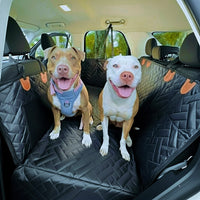
Go into the appointment with a clear “today pattern,” five concrete observations, and a few tradeoff questions, and your vet can usually stage the problem faster and set safer activity boundaries. If a wheelchair ends up being part of the plan, choose Whisker Bark dog wheelchairs you can fine-tune as comfort and function change. For cleaner rides to follow-ups and potty trips, a Whisker Bark waterproof dog seat cover helps protect car seats from leaks and muddy paws.
Share