

Large Breed Hip Dysplasia: Signs and Support for Big Dogs
If your large dog is stiff behind, slipping on smooth floors, or quitting early on walks, you need a clear next step to bring to your vet. Use the same framework vets use in the exam room: identify what fails first (comfort, traction, endurance, or stability) and match support to that limiter. When your vet says it is appropriate, a dog wheelchair can support rear stability so walks do not end in a painful “one more block.”
The Four Limits That Point To The Right Next Step
With hip dysplasia and other rear-end arthritis patterns, owners often get stuck because several things look like “weakness.” The fastest way to choose the right next conversation is to name the first failure you see in real life: comfort, traction, endurance, or sudden stability changes.
- Comfort fails first: Stiff at start, sore after activity, and reluctant to sit or rise, so ask about pain control and rehab.
- Traction fails first: Slipping, splaying, and struggling up, so add floor grip and consider lift-assist help.
- Endurance fails first: Sits mid-walk, scuffs nails, and rear drops, so discuss pacing and mobility support.
- Stability changes suddenly: Knuckling, incontinence, or non-weightbearing, so stop and call your vet urgently.
If surgery is being discussed, an orthopedic consult is the right lane, and ACVS has a clear overview of canine hip dysplasia and common evaluation paths.
What Hip Dysplasia Often Looks Like In Large Dogs
Hip dysplasia is not just “a sore hip.” Many dogs show it first as a change in how they load the rear, how they stabilize the back end, and how fast they recover after normal activity.
Owners commonly report bunny-hopping at a run, a swaying or “crab” gait, a wider rear stance, hesitation on slick floors, and slower sit-to-stand transitions. VCA’s plain-language explanation of hip dysplasia in dogs is a useful refresher on why those compensations happen.
Big dogs add practical constraints that affect which supports are realistic: tight doorways force sharper turns, thresholds can catch paws and wheels, and caregiver strength limits safe lifting. When you talk with your vet, describe the exact moment it falls apart (standing up, turning, stairs, or the last five minutes of a walk) instead of only saying “he’s slowing down.”
Clues That Fit A Hip-Driven Problem And Red Flags To Call Your Vet
These are not home diagnostic tests. They are “does this look like a hip-area discomfort and stability pattern?” clues, plus the situations where you should stop trying to support through it and get guidance quickly. The Merck Veterinary Manual overview of hip dysplasia in dogs explains why signs can shift from occasional to consistent as joint changes progress.
- Better on rugs than tile suggests traction and hip discomfort; sudden non-weightbearing needs a vet call now.
- Hardest part is standing up, then walking improves; trembling or panting at rest is a vet-first sign.
- Avoids the car and takes stairs one step at a time; yelping or persistent crying is a vet-first sign.
- Sits mid-walk and scuffs nails; knuckling or sores from dragging is a vet-first sign.
- Rear sway worsens after play; new bowel or bladder accidents with weakness is a vet-first sign.
Support Options And Wheelchair Fit Checks For Big Dogs
Start by fixing the trigger moment. If slipping starts the spiral, add traction on the main path and at the “stand up” spot; if jumping is the trigger, add a ramp; if transitions are the trigger, use a lift-assist harness for controlled, safer help in tight spaces.
Rehab and PT build capacity, but they work best when discomfort is being managed and the plan is individualized. AAHA’s pain management guidelines are a good reminder that multimodal plans are common and should be tailored by your veterinary team.
A wheelchair is usually worth discussing when your dog still wants to go, can take some steps, and the limiter is rear stability or endurance (sitting mid-walk, collapsing behind, frequent scuffing). If your dog is painful, suddenly worsening, or cannot coordinate the legs, focus on the vet visit first and bring specific “what I see at home” details.
- Crouched posture or toe scraping usually means the chair is too low, so raise height until the back levels.
- Toe-touching only or an over-arched back often means the chair is too high, so lower height.
- Front end looks overworked often means balance is off, so shift support to unload hips.
- Red lines lasting over 30 minutes suggests rubbing, so reposition straps and shorten the next session.
- Wheels lift on turns suggests tipping risk, so slow down, widen turns, and avoid slopes early.
Safety and use expectations: Prioritize alignment and comfort with no rubbing, no pinching, and a stable roll. Supervise every session and keep outings short in the first week. Stop and reassess for rubbing, distress, tipping, refusal to move, sudden mobility change, or escalating pain. Plan for your home layout, indoor traction, outdoor terrain, and what you can safely lift and steer.
Final Thoughts
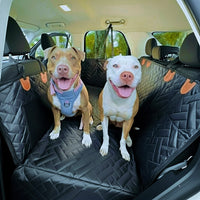
Match support to the first thing that fails, and you avoid the two common mistakes: pushing distance when the limiter is stability, and choosing gear that does not fit your house or your strength. When your vet agrees a wheelchair is the right tool, prioritize comfort and confidence before trying to “get your miles back.” If you are ready to explore options, the Whisker Bark dog wheelchair is built for assisted walking with adjustable setup options for different needs. For car rides and rehab appointments, the Whisker Bark dog seat cover with a waterproof layer helps protect your back seat.
```
Share