

Dog Breeds Prone to Hip Dysplasia: Screening and Back Care
You are noticing early hip or back changes and need to pick the right next step, not just “wait and see.” This article uses four common at-home patterns to guide you toward a rehab conversation, hip imaging and possible referral, an urgent spine conversation, or mobility planning. If hip dysplasia is already on your radar, start with dog wheelchair for hip dysplasia for background and support options.
The Four At-Home Patterns That Tell You What To Do Next
The decision is usually driven by what is limiting your dog today: pain, fatigue, coordination, or true weakness. These patterns do not replace an exam, but they help you choose the right conversation to have with your vet and how urgent it is.
| What You See At Home | Often Points To | Best Next Step |
|---|---|---|
| Slow stiffness, trouble rising, slower on cold mornings | Discomfort plus loss of strength or conditioning | Book a vet exam, then ask for pain control and rehab-style strengthening guidance |
| Bunny-hopping, hip sway, tiring earlier than expected | Hip-focused problem pattern | Ask if hip imaging is appropriate and whether orthopedic referral is worth discussing |
| Back pain, arched posture, “fine yesterday, wobbly today” | Spine issue that can be time-sensitive | Call your vet the same day about intervertebral disc disease (IVDD) and next steps |
| Knuckling, repeated falls, cannot bear weight behind | Neurologic weakness, severe pain, or rapid progression | Get medical guidance first; equipment choices depend on safety and diagnosis |
Use the table like a script. Tell your vet which pattern fits best, what changed (sudden versus gradual), and what your dog can and cannot do right now (stairs, standing from rest, holding up the rear, walking straight).
Spine and coordination changes deserve the tightest timeline. If your dog becomes non-ambulatory, cannot get comfortable, or you notice loss of bladder or bowel control, treat it as urgent and contact a vet or emergency clinic right away.
Where “surgery” fits: it is typically a vet-led decision after an exam and imaging confirm a structural issue and function is not staying controlled with conservative care. If your dog still wants to move but runs out of endurance or you cannot lift safely, mobility planning can be a practical add-on while medical care and strengthening continue.
How Breed Structure Changes The Questions You Ask
Breed risk should make you ask smarter questions earlier, not self-diagnose. If your dog is in a higher-risk group for hips and the home pattern looks hip-driven, read VCA’s overview of hip dysplasia in dogs and ask your vet what imaging and management options fit your dog’s age and symptoms.
Body shape can matter in back conversations. Longer-backed, shorter-legged dogs are commonly mentioned in IVDD discussions, so a “normal morning, wobbly evening” story should be treated as a real change, not clumsiness.
Some dogs show progressive hind-end weakness that looks more like coordination loss and dragging than obvious pain. If your vet raises that possibility, VCA’s overview of degenerative myelopathy in dogs explains why supportive equipment planning is often part of long-term care.
Early Screening And Day-To-Day Habits That Actually Help
If you have family history concerns or you are trying to understand risk in a young dog, ask what orthopedic screening was done and what “passing” meant. OFA’s page on hip dysplasia screening explains why evaluated hips matter when risk runs in a line.
- Reluctance to jump, use stairs, or get in the car compared with last month.
- Lagging, frequent sitting, or shortened walks that used to be easy.
- Uneven rear nail wear or toe scuffing behind.
- Yelping when picked up, especially around the back or belly.
- Narrow rear stance or a tucked, swaying posture after activity.
At home, the biggest wins are usually traction and fewer “high-impact repeats.” Add runners or traction mats on slick floors, use ramps for the car and favorite furniture, and manage stairs with gates so your dog is not forced into slippery launches.
If walks are the trigger, adjust for terrain instead of trying to “push distance.” Flatter routes and fewer steep downhills can prevent the end-of-walk form collapse that shows up as dragging, stumbling, or a suddenly hunched posture.
When A Wheelchair Helps And How To Prevent Fit Problems
A common progression is traction and ramps first, then a support harness for short assists, then vet-directed rehab, then a wheelchair when fatigue, dragging, or caregiver lifting makes safe movement hard. Many dogs do best when the chair is treated as a mobility tool that supports daily life, not as a substitute for medical care.
Fit problems often show up as handling problems before they become skin problems. If the cart veers, feels twitchy in turns, shifts your dog into an uneven posture, or increases toe scuffing, treat that as a setup issue to correct. In our experience fitting carts, adjustability matters because small changes to support height, symmetry, and strap routing can be the difference between stable rolling and constant compensation.
| If You Notice This | Try This First |
|---|---|
| Hair breakage or pink skin where straps touch | Re-route or loosen contact points, shorten sessions, and do not continue through rubbing. |
| Tipping on turns or at door thresholds | Slow down, widen turns, add traction, and re-check alignment and axle placement. |
| Rear paws drag more once in the cart | Re-check support height and rear positioning so you lift without over-flexing. |
| Cart pulls to one side or wheels do not track straight | Confirm both sides match and your dog is centered, not leaning into one strap. |
| Refusal after one bad session | Restart indoors with very short reps in open space before trying tight hallways. |
Final Thoughts
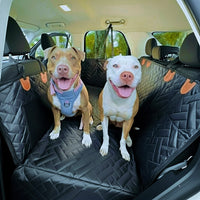
Pick your next step based on the pattern you see at home, then use a vet exam to confirm what is actually limiting your dog. Sudden back pain, wobbliness, knuckling, or rapid decline should move you into a same-day spine conversation. When mobility support is the right tool, dog wheelchairs can reduce dragging and caregiver lifting while your dog stays active. For car rides and transfers, a Whisker Bark waterproof dog seat cover helps protect seats from dirt and accidents.
Share