

Breed Risk for Hip Dysplasia and Spinal Issues
Your dog is in a breed known for hip or back trouble, and you want a clear next step based on what you can actually see at home. Use one sorting rule: how fast the change happened and what your dog can still do on stairs, slick turns, and getting up from rest. This guide maps four common patterns to the right vet conversation, home changes, and when a dog wheelchair belongs in the plan.
The Four Patterns That Tell You What To Do Next
Breed risk is useful as a “watch closer” flag, but it does not tell you what to do today. What does tell you is function and speed of change: a slow drift over weeks is usually an orthopedic conversation, while a fast drop in ability should be treated as a same-day vet question.
Use your dog’s hardest moments as your reality check: rising from rest, stairs, tight turns on smooth floors, stepping over thresholds, and any toe scuffing. Dogs often compensate on a straight hallway walk, then show the real limiter when they have to push, balance, or coordinate.
- Mild Stiffness, Steady Function: schedule a baseline exam and tighten traction and low-impact conditioning.
- Gradual Hind-End Decline: book an orthopedic workup and ask what rehab or imaging would change.
- Sudden Pain Or Neurologic Change: stop activity and contact your vet the same day.
- Stable Rear Weakness With Strong Front End: plan reliable support for potty and walks, including mobility aids.
If you are considering a cart, the beginner guide to wheelchair types and fit helps you recognize what “good support” looks like so you do not normalize a poor fit. The most common mistake is treating a fast, painful change like a conditioning issue, or waiting too long on a slow decline until your dog is slipping daily.
Breed Risk And Prevention That Holds Up In Real Life
Hip dysplasia is a developmental joint condition that can contribute to pain, stiffness, and reduced rear strength over time. For a plain-language overview, see hip dysplasia in dogs and use it to guide what you ask your vet about comfort and long-term management.
Back issues can look different because coordination changes can show up quickly. Intervertebral disc disease can occur in many breeds, and long-backed, short-legged dogs are commonly linked to higher IVDD risk, so knuckling, dragging, or sudden weakness is not a “wait and see” situation.
The prevention moves that matter most at home are about traction, impact, and body condition. Aim for a lean, athletic shape (ribs easy to feel, visible waist), keep nails and paw fur trimmed for grip, and reduce repeated launch-and-land moments. Before you add more exercise, make movement easier: rug runners with non-slip pads in hallways, a grippy mat at favorite turning spots, and ramps once your dog hesitates before jumping.
What To Ask Your Vet And When To Stop DIY
Bring specific observations instead of general worry: stiffness after rest, reluctance to jump, bunny hopping, rear-end sway, uneven rear stride, nail scuffs, slipping on turns, or needing help into the car. If you want a symptom list to compare against before your appointment, use early signs of hip dysplasia and tell your vet which items match and when they started.
For screening and diagnostics, keep the conversation practical: “Is imaging appropriate now, and what would the results change about our plan?” Your vet may reference radiograph-based guidance such as hip dysplasia screening, and some clinics use PennHIP; the best timing depends on age, symptoms, and whether you are making treatment decisions now.
Stop DIY and call your vet promptly if you see a sudden yelp or hunched posture, sudden weakness, knuckling or dragging, repeated falling, loss of bladder or bowel control, or a fast change in coordination. These are the cases where trying to “walk it off” can make things worse, and your clinic may want rest and specific next steps based on the suspected cause.
If Mobility Declines, Choose Support And Avoid Setup Mistakes
Some dogs do best with flooring changes and rehab, and some need ongoing support for walks and bathroom trips. First decide whether your dog needs rear support only or support for all four legs, because the wrong style can feel unstable or fail to offload the right area; rear support vs full support makes that choice concrete.
If hips are the main limiter, match support to what your dog can still do today, not what they could do six months ago. The patterns that often do well with rear support are a strong front end plus rear legs that collapse, cross, or fatigue quickly, and this overview of wheelchair options for hip dysplasia can help you talk through expectations with your vet.
Before you buy anything, sanity-check the real-world constraints that make carts succeed or fail. You want enough turning space, flooring your dog can push against, and a setup you can put on correctly every time without rushing.
- Follow the brand’s measurement instructions exactly and remeasure if your dog’s weight changes.
- Test your tightest doorway and hallway turns where your dog will actually roll.
- Plan who will harness, supervise, and handle thresholds, ramps, and car loading.
| If You Notice This | Try This First | Common Cause |
|---|---|---|
| Redness, hair loss, damp spots, flinch when harnessing | Remove the cart, fix strap twists, and do not resume until skin looks normal | Rubbing or pressure on soft tissue |
| Toe drag, knuckling, hips “hanging,” back overly arched | Recheck height and balance so paws clear and the pelvis stays level | Height or axle placement mismatch |
| Drifts to one side, tips on turns or door thresholds | Start on flat, open flooring and avoid tight turns until tracking is straight | Stability mismatch or space too tight |
| Freezes, sits immediately, tries to back out | Stop and fix comfort or fit before asking for more steps | Discomfort or fear association |
Safety in one paragraph: A good fit keeps your dog level and aligned with no rubbing, pinching, or unstable rolling. Use only under supervision, start with 5 to 10 minute sessions in the first week, and stop to reassess if you see rubbing, distress, tipping, refusal to move, sudden mobility change, or pain escalation. Make sure your home layout, indoor traction, outdoor terrain, and your own lifting ability support safe daily use.
Final Thoughts
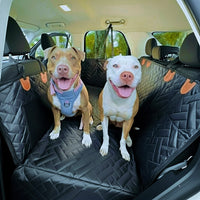
Do not get stuck in breed labels when what you need is the right next step. Sort what you see into the four patterns so you can choose prevention, an orthopedic workup, urgent guidance for sudden changes, or a support plan without guessing. If rear weakness is stable and your vet agrees a cart is appropriate, the Whisker Bark dog wheelchair can make walks and bathroom trips more manageable. For car rides, a waterproof Whisker Bark dog seat cover helps protect your upholstery.
Share