

IVDD In Dogs: Owner Guide To Anatomy, Crate Rest, Options
Your dog suddenly yelps when picked up, refuses to move, walks wobbly, or starts scuffing and dragging toes, and someone mentions “IVDD.” That moment is scary because pain and neurologic changes can overlap, and the safest early goal is simple: protect the spine and get timely veterinary guidance.
If your veterinarian later clears your dog for structured, supervised mobility support, pet wheelchairs may be part of a longer-term plan for the right dog. Until then, focus on reducing motion and reporting changes clearly.
What Is IVDD
IVDD (Intervertebral Disc Disease) refers to degeneration or injury of the discs between vertebrae. When disc material bulges or herniates, it can irritate or compress nerves and the spinal cord, affecting comfort and coordination, consistent with how veterinary references describe spinal cord and disc-related disorders in dogs.
IVDD is not always caused by one dramatic jump. Disc changes can build over time, and a normal movement can reveal a problem that was already developing.
Is This An Urgent Vet Situation
This section is a safety screen. If your dog’s walking is worsening, pain is escalating, or bladder function changes, do not “wait and see.” IVDD episodes can range from painful but stable to rapidly progressive, which is why veterinary resources emphasize prompt evaluation when function is deteriorating. IVDD can involve pain and neurologic deficits that may progress.
-
Go now (emergency clinic) if:
- Your dog cannot walk, collapses, or has a sudden severe decline.
- Your dog cannot urinate, strains without producing urine, or loses bladder control, which specialist guidance treats as an urgent concern in acute disc episodes. Bladder dysfunction is an important clinical concern in acute thoracolumbar disc extrusion discussions.
- Wobbliness, knuckling, or toe dragging is progressing quickly over hours or the same day.
-
Call your vet the same day if:
- Your dog shows new back or neck pain signs (yelping, trembling, guarding) that are not settling with strict rest.
- Your dog is walking but noticeably wobbly, scuffing nails, crossing legs, or placing paws incorrectly.
- You are unsure whether your dog is safe to continue normal movement at home.
What Owners Usually Notice First
Owners often spot behavior changes before they can label a medical cause. These signs can have multiple explanations, so a veterinary exam matters, but they are useful for describing what you see:
- Pain behaviors: yelping, trembling, guarding, reluctance to move, sensitivity when lifted.
- Walking changes: wobbliness, stumbling, crossing legs, “drunken” gait.
- Paw placement changes: knuckling, toe dragging, nail scuffs.
- Neck-specific patterns: stiff neck, head held low, pain on turning, which are described in cervical IVDD guidance.
Breeds At Risk And Why
Any dog can be affected, but IVDD is discussed most often in chondrodystrophic breeds because of early disc degeneration patterns. Chondrodystrophy is linked to higher IVDD risk in commonly affected breeds.
Breed is not a home diagnosis. What matters most is what is happening now, how fast it is changing, and what your vet finds on exam.
Crate Rest Explained: The Practical Version
When vets recommend activity restriction, it is because reducing spinal motion can help protect vulnerable tissue while inflammation settles and a plan is made. The exact rules and duration depend on your dog’s exam findings and treatment path.
What Crate Rest Usually Looks Like
- Confinement except for brief, controlled potty breaks.
- No stairs, no couches, no running, no play, no “just a short walk.”
- Slow leash-only potty trips, then right back to confinement.
If you want a clear explanation of why “rest” is often stricter than owners expect, Texas A&M’s cage rest guidance explains why even supervised wandering around the home can be too much for some spinal cord cases.
Recovery Space Setup Checklist
- Crate or pen sized for standing, turning carefully, and lying down comfortably.
- Non-slip bedding on a stable base so your dog does not slide when shifting position.
- Water within easy reach, using bowls that do not require awkward stretching.
- Blocked stairs and prevented furniture access.
- Traction runners for the few steps needed outside the crate.
Handling Rules That Reduce Twisting
- Support both front and rear when lifting, keeping the spine level.
- Avoid twisting during transfers, turning, and repositioning.
- Move slowly through doorways and tight spaces.
Pain Vs Neurologic Change: How To Describe What You See
Owners often ask, “Is my dog weak or just in pain?” Both can be true. You do not need to label it at home. You only need to describe it clearly.
- Pain-leaning descriptions: “Yelps when picked up,” “cannot get comfortable,” “tense/hunched posture,” “refuses to lie down,” “reacts to touch.”
- Neurologic-leaning descriptions: “Wobbly,” “crosses legs,” “knuckles,” “drags toes,” “worsening over hours.”
These patterns are consistent with how disc disease client education describes combinations of pain and neurologic deficits depending on the degree of nerve and spinal cord involvement. Disc disease can present with pain and neurologic signs.
Medical Management Vs Surgery: The Decision Drivers Your Vet Is Watching
Owners often hear “conservative care” versus “surgery” as if it is a simple preference. It usually is not. Vets weigh neurologic severity, whether signs are stable or worsening, and whether pain is controlled. ACVIM consensus guidance outlines clinical considerations for acute thoracolumbar disc extrusion.
- Medical management is often considered when a dog is still ambulatory and signs are mild and stable.
- Surgery is often considered when neurologic deficits are significant, progressive, or not improving, or when pain remains difficult to control.
Your veterinarian or neurologist will tailor recommendations to your dog’s exam findings and time course.
Owner Tracking That Helps Without Risky Testing
Tracking is for communication, not self-diagnosis. Follow your vet’s movement limits first. If your vet wants updates, this simple rubric keeps reports consistent without “testing” your dog.
The Two-Minute Daily Log
- Comfort: Settles and sleeps, or restless and guarding?
- Walking: Normal, wobbly-but-walking, needs help to stand, cannot walk.
- Paws: Normal placement, occasional knuckling, frequent knuckling, dragging.
- Bathroom: Normal urine stream, dribbling/accidents, straining, cannot urinate.
- Appetite and mood: Normal, reduced, not eating.
Do Not Test List
- No forced range-of-motion checks.
- No “see if they can walk it off.”
- No stairs, jumping, chasing, or couch privileges.
Mistakes That Commonly Cause Setbacks
- Increasing activity because medication makes the dog seem brighter.
- Potty “walks” that turn into wandering.
- Slippery floors without traction paths.
- Lifting without front-and-rear support (twisting risk).
- Adding mobility gear early, before a vet clears controlled movement.
Real-World Home Scenarios
Stairs And Furniture
- Block access to stairs and couches to prevent jumps.
- Use ramps only if your vet approves, and only with slow supervision.
Multi-Pet Homes
- Separate spaces so play does not escalate.
- Keep potty routines calm and predictable.
Car Travel
- Use a stable crate or carrier to reduce jostling.
- Plan transfers so you can lift slowly and avoid twisting.
If You Notice This, Do This Next
| If You Notice This Pattern | Safest Next Step |
|---|---|
| Pain is escalating and your dog cannot settle | Reduce movement to the minimum and contact your vet to adjust the plan |
| Wobbliness, knuckling, or dragging is worsening quickly | Treat as urgent and contact your vet or an emergency clinic |
| Cannot walk or sudden severe decline | Emergency evaluation is recommended |
| Cannot urinate, new incontinence, or major bathroom changes | Urgent veterinary contact is needed |
If Your Vet Recommends Mobility Support Later, What To Look For
Mobility tools are not a cure. They are a safety and routine tool that may be appropriate only after your veterinarian confirms your dog is stable enough for controlled movement.
- Fit And Comfort: neutral alignment, no rubbing, no pinching, stable support.
- Supervision And Ramp-Up: short sessions in the first week, then gradual increases only if your vet agrees.
- Stop And Reassess Signals: rubbing, distress, tipping, refusal to move, or any sudden change in comfort or function.
- Real-World Practicality: doorway width, turning space, indoor traction, outdoor terrain, and caregiver ability.
If you are comparing options later, how to choose a dog wheelchair focuses on stability checks, comfort priorities, and what owners often miss during setup.
If you want a beginner-friendly overview of sizing, fit, and safe first sessions, this dog wheelchair guide for beginners covers basic setup and handling.
Final Thoughts
IVDD is a condition where discs can irritate or compress the spinal cord, affecting pain and walking. If your dog’s function is worsening, pain is escalating, or bladder control changes, treat that as urgent and contact your veterinary team. For a detailed, clinician-oriented overview of how cases are assessed and managed, ACVIM consensus guidance on acute thoracolumbar disc extrusion summarizes key clinical considerations.
After stabilization and with veterinary guidance, supportive mobility planning may become part of your routine. If rear support is recommended later for safer, supervised movement, the Whisker Bark dog wheelchair is designed to prioritize fit checks, controlled pacing, and predictable surfaces.
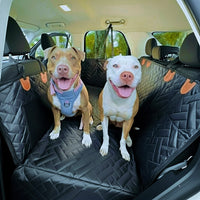
For transport during recovery routines, many owners also like using a tear resistant Whisker Bark dog seat cover to protect car interiors while keeping loading and unloading calm and contained.
Share