
Dog Seat Cover Guide for Third-Row SUVs and Minivans With Kids and Dogs
Third-row SUVs and minivans are built for busy family life, but dog travel in these vehicles is rarely “set it and forget it.” You are balancing child seats, seatbelt routing, access paths for kids, and a dog who may shift during turns or stand up when the ride gets bumpy.
The good news is that a family-friendly setup is less about buying more gear and more about choosing the right layout, protecting the right zones, and keeping footing stable so your dog can settle.
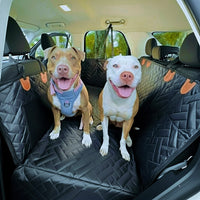
If you want a stable foundation that works across common family layouts, start with a hard-bottom dog seat cover for family vehicles and build the rest of the plan around child-seat access and safe movement.
Common Third-Row and Minivan Layout Challenges
- Narrow third-row benches: Less room for your dog to brace, turn, or lie down without sliding.
- Split-fold seats: 60/40 or 50/50 layouts create seams, gaps, and different seat angles.
- Access paths for kids: Families need a predictable walkway, not a cover that shifts or blocks entry.
- Limited headrest anchoring: Some third rows have small headrests or fewer anchor points.
- More movement felt in the back: The third row can feel “twitchier” during turns and braking.
If you want a broader safety baseline for how dogs should ride and how restraint fits into the picture, see How to Travel in a Car Safely With Your Dog.
Best Layout Options for Families With Kids and Dogs
There is not one perfect layout for every family, because the right setup depends on your dog’s size, your kids’ ages, and how often you reconfigure seats. Use the options below as a planning menu.
Where Should Your Dog Ride? Family Layout Selector
- Kids In Second Row, Dog In Third Row: Best for families that need child seats untouched and want the dog fully separated from snack zones.
- Kids In Second Row, Dog In Cargo Area (If Safe And Appropriate): Works for some SUVs when cargo is flat, protected, and your dog can ride without being jostled by gear.
- One Kid Plus Dog Sharing Second Row: Only if seatbelt access stays usable and your dog can ride on a stable surface without pressing into the child seat.
- Rotating Dog Position For Long Trips: Helpful when kids swap seats, you stop often, or your dog settles better in different zones over time.
Whichever layout you choose, seatbelt routing matters. If you use a harness restraint or need consistent buckle access around child seats, read Seatbelt Access: Safe Travel Starts Here.
Why Stability Is Critical in the Third Row
Third rows are often flatter, higher off the ground, and more exposed to motion. When a surface shifts under your dog, they compensate by bracing, standing longer, or repositioning repeatedly. That is not just annoying, it is also how a “normal” ride turns into stress for dogs and distraction for parents.
A stability-first approach reduces sliding and helps your dog settle sooner. In family vehicles, that stability also reduces mess migration because a cover that stays put is less likely to bunch up near seat seams and footwell edges.
Car Seat and Seatbelt Access: What Parents Need to Know
The most common mistake families make is building a dog setup that blocks the exact places they need access to most: LATCH anchors, seatbelt receivers, and the points where child seats lock down.
- Plan for access first: Before tightening straps, confirm you can reach seatbelt receivers quickly and consistently.
- Keep child seats stable and unchanged: Your dog setup should work around child seats, not require reinstalling them every trip.
- Avoid “pressure zones”: Do not place your dog where they will lean into a child seat or crowd buckle areas.
- Use reinforced access points correctly: If your cover has access areas, align them cleanly so they do not fold over buckles.
For child-seat access specifics, see Do Dog Seat Covers Allow Child Seat Access Safely.
Recommended Setup for Minivans
Minivans are family-friendly because the floor is flatter and entry is easier, but that also means mess spreads faster if you do not define zones. Sliding doors often create more “side impact” exposure from shake-offs, paws, and wet coats.
- Captain’s chairs in the second row: Keep the kid zone clean and predictable, and consider the dog zone behind them if the third row is the primary dog seat.
- Third-row dog zone: Prioritize stable footing and easy cleaning, especially when kids are climbing in and out.
- Door and side protection: The areas near sliding doors take the most abuse from entry and exit.
- Seatbelt access: Keep buckles reachable so harness restraint remains practical, not frustrating.
If your setup blends cargo and backseat protection (common for family vehicles), see Dog Seat Covers for SUVs: Cargo and Backseat Guide.
Managing Mess With Kids and Dogs on Board
In family vehicles, the mess is rarely “just dog hair.” It is snack crumbs, sports-day mud, water bottles, wet paws, and shedding that spreads into seams and footwells. The goal is to reduce how fast the mess reaches the interior materials.
Quick-Clean Routine for Kids Plus Dogs
- Before entry: quick paw check, especially after fields, parks, or rain.
- After rides: shake out the cover first, then vacuum crumbs and hair near seat seams.
- Weekly reset: light cleaning prevents buildup that becomes a deep-clean project later.
- Keep a kit in the car: wipes, a small towel, and a bag for muddy items reduces “damage spread.”
For day-to-day maintenance, see How to Keep Your Car Clean as a Dog Owner. If hair is the constant battle, use How Do You Protect Your Car Interior From Dog Hair.
Real Family Scenarios
Weekend Sports Tournaments
Muddy cleats, wet grass, and a dog who wants to jump in immediately is the classic family test. A stable dog zone helps keep the third row predictable while kids rotate in and out.
School Drop-Offs Plus Dog Errands
Short trips add up quickly. The best setup is the one that stays installed and keeps seatbelt access usable, so you are not reconfiguring the car twice a day.
Road Trips With Kids and Pets
Long drives reward zoning. When your dog can lie down on a stable surface and kids have consistent access to their seats, the whole car feels calmer.
Protecting Resale Value
Family cars take wear in predictable places: seat seams, footwells, and door panels. A system approach slows that wear dramatically and keeps cleaning manageable.
If your current cover is sagging, shifting, or no longer cleaning up well, see When to Replace Your Dog Seat Cover.
Third-Row Compatibility Checklist
Before You Commit to a Third-Row Dog Zone, Confirm These
- You can still access seatbelt receivers without digging under the cover.
- Your third-row headrests or anchor points can support a secure install.
- Your dog can stand, turn, and lie down without sliding forward during braking.
- The cover does not bunch into seat folds on 60/40 or 50/50 benches.
- Kids can enter and exit without stepping on loose fabric or straps.
Final Thoughts: A Family Car Can Be Dog-Friendly Too
You do not have to choose between kids and dogs. When you plan the layout, protect the highest-wear zones, and keep your dog’s footing stable, third-row SUVs and minivans become easier to live with, not harder.
If you want one piece of gear to anchor that system, a waterproof Whisker Bark dog seat cover can help families keep the dog zone stable, protect the seats from daily mess, and keep seatbelt access practical for real trips.
Share