

Dog Seat Covers for SUVs: Back Seat and Cargo Setups
Dog seat covers for SUVs come in two shapes that solve different problems. A back seat cover deals with a wide bench, where fabric tension sags in the middle and dogs slide toward the low point. A cargo liner deals with a deep flat well that has nothing to anchor a cover to and nothing to clip a harness through.
SUVs give you two places to put a dog, and most owners end up using both. The back seat handles daily driving, the cargo area handles the muddy days, and the right setup depends on which one you are solving for this week.
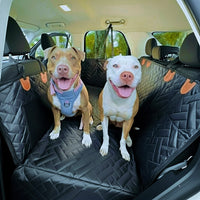
This guide covers both zones, what changes in a three row vehicle or a minivan, and the fit details that trip people up. If you want a structured platform for the back seat, the Whisker Bark hard bottom dog seat cover works across most bench-style SUV rear seats, and the same cover handles the cargo floor on the days you need it there instead.
Back Seat or Cargo Area
| Zone | Best for | Advantage | Trade-off |
|---|---|---|---|
| Back seat | Daily driving, senior or anxious dogs, families | Harness restraint through the seatbelt, better airflow, closer to you | Less room for bulky gear, more door contact |
| Cargo area | Camping, muddy hikes, wet beach days, two dogs | Space for dog plus gear, mess stays behind the second row | Harder to restrain properly, further from vents, scuff risk on trim |
| Both | Active households with kids, dogs, and gear | Adjust by trip and weather instead of committing to one layout | Needs two covers and some planning |
Most owners use the back seat for everyday driving and reserve the cargo area for the genuinely messy days. Back seat riding also makes restraint far easier, which matters given that rear seat occupant protection is an active area of vehicle safety work.
What an SUV Cover Has to Handle
Protecting an SUV is a different problem from protecting a sedan. Bigger dogs, more gear, and more adventure use.
- A rigid base so dogs do not sink or slide across a wide bench.
- Tear resistant fabric that survives claws and gear sliding across it.
- A real waterproof layer for beach trips, rainy hikes, and snow melt.
- Door protectors. SUV doors are tall and wide, which means more surface for a dog to hit going in and out.
- Non-slip backing to stay planted on leather during turns.
- Seatbelt access that stays reachable for a harness.
- Reinforced stitching so seams hold under weight.
A mesh window matters more here than in a smaller car. Larger cabins have uneven airflow, and a window lets air from the front vents reach the back while letting your dog see you, which cuts down on pacing and whining on longer drives. Ours sits in the front panel for that reason, and the door flaps run the full height of the opening, because SUV doors give a dog far more panel to scrape on the way in than a car door does.
SUV Fit
Most bench-style SUV rear seats work with the same cover geometry. That covers compact and mid size crossovers in the class of the RAV4, CR-V, Forester, and Escape; three row vehicles like the Highlander, Ascent, Pilot, and Explorer; and premium SUVs around the size of the XC60 and XC90.
Exact fit varies by model and year. Confirm with the fit checker, or measure your bench using our size guide.
Adventure SUVs
Vehicles built for trail use put more stress on a cover than a crossover does. A 4Runner is the clearest example: a high step-in height means dogs land with force, the rear bench is wide enough to sag under a 70 to 120 pound dog, the footwell is deep, and leather on many trims lets a loose cover slide constantly. Add sand, saltwater, and pine needles grinding into the seams and thin covers do not last a season.
The requirements are the same as any SUV, just less forgiving. A rigid base to bridge the footwell, waterproofing that survives repeated wet loads, and backing that grips leather. The removable insert earns its keep on this kind of vehicle: after a beach or trail day you pull the panel, wipe it, and wash the fabric rather than trying to clean sand out of a one-piece cover.
Three Row SUVs and Minivans
Family vehicles add constraints that have nothing to do with dogs.
Third row benches are narrower, so there is less room to brace or turn without sliding. Split-fold layouts create seams and uneven seat angles at 60/40 or 50/50. Headrests are sometimes smaller with fewer anchor points. And motion is felt more at the back of the vehicle, so a cover that shifts feels worse there than it would mid-cabin.
The bigger issue is access. The most common mistake is building a dog setup that blocks exactly what you need most: LATCH anchors, seatbelt receivers, and the points where child seats lock down. Plan access first, confirm you can reach the buckles before you tighten anything, and keep the dog zone away from where a child seat sits so nothing leans into it. Our FAQ on child seat access covers the specifics, and NHTSA guidance on car seat installation explains why routing matters.
Minivans have a flatter floor and easier entry, which helps, but sliding doors create more side exposure from shake-offs and wet coats. If your second row has captain's chairs, the third row usually becomes the dog zone and the second row stays the kid zone.
Cargo Area Setups
There are days when the cargo area is simply the right call: a soaked dog, camping gear, or two dogs who need space between them.
The challenges are real. Cargo floors and side panels scratch easily, hair clings to fabric trim, and cheap liners slide and leave gaps along the sides. A dedicated cargo liner is worth having for the wettest days even if the back seat is your default.
Three layouts cover most of it. The daily driver keeps the dog on the back seat platform with a harness through the seatbelt opening, leaving cargo free for groceries and gear. The adventure weekend flips it: the dog and dirty gear ride in the cargo area, and the back seat cover stays clean for Monday. The two dog setup splits them, one on the back seat platform and one in the cargo area, which reduces crowding and jostling.
Why Durability Matters More in an SUV
A sedan cover mostly deals with fur and the occasional spill. An SUV setup faces heavier dogs with stronger claws, gear sliding across the seats, trail debris riding home, and road salt in winter. That is a different wear profile, and it is why reinforced seams and a real waterproof layer are worth paying for here even if they are optional elsewhere.
For the mechanics of why a rigid base holds up where fabric tension does not, see why a hard bottom cover matters and the back seat extender guide.
If you are cross-shopping brands, the hard bottom comparison covers the main options.
Truck owners should read the truck guide instead, since crew cab geometry is different again.
Keeping grit out of the seams does more for longevity than anything else. Our cleaning guide covers the routine, and keeping your car clean as a dog owner covers the rest of the interior.
The Cargo Area Is Where Restraint Gets Hard
A cover protects your interior and improves footing. It does not restrain your dog, and in an SUV that gap is not evenly distributed across the vehicle.
In the back seat it is manageable. Seatbelt openings let you clip a harness on either side, and that is the single easiest safety upgrade available to you.
The cargo area is the harder case, and it is the one most owners underestimate. There is usually no belt to clip into, no anchor point designed for a tether, and nothing between your dog and the second row seatbacks. A dog riding loose back there in a hard stop is unrestrained in the most literal sense, and any gear sharing the space is moving with them. If the cargo area is your default, a secured crate is worth more than any liner.
Third row layouts add a different wrinkle. The anchors your dog setup is competing for are the same ones a child seat needs, and a cover that sits over a LATCH point is a problem long before it is an inconvenience. Sort access before you tighten anything.
Our guide to stability versus restraint covers which product solves which problem, and where the independent crash-test data actually lives.
Share