

How to Clean a Dog Seat Cover Without Ruining It
Most dog seat covers clean the same way: vacuum the hair and grit off first, spot treat any stains, then wash cold on a gentle cycle with fragrance free detergent and air dry. Never use bleach, fabric softener, or a hot dryer, and take out any rigid insert before it goes in the machine.
A dog seat cover that stays dirty or stays damp wears out faster, holds odor, and eventually pushes moisture back into your upholstery. Most of that is preventable with a routine that takes about two minutes after a muddy ride.
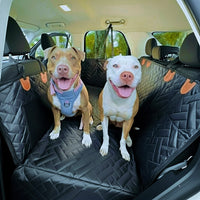
This guide covers the cleaning system that works for most covers, the safer workflow for hard bottom styles with rigid inserts, and how to tell when a cover has stopped doing its job. If you want a design built around this workflow, the Whisker Bark hard bottom dog seat cover separates a wipe clean insert from machine washable fabric.
The short routine: after wet rides, shake, wipe, and air dry the same day. Weekly, vacuum the seams for 60 to 90 seconds. Monthly, a cold gentle wash if the care tag allows, then air dry. Never bleach, never fabric softener, never high heat.
Identify Your Material First
Nearly every "my cover stopped being waterproof" story starts with treating all covers the same. Four constructions need four approaches.
- Coated waterproof fabric. The most common. Cold wash, gentle cycle, fragrance free liquid detergent, air dry unless the tag explicitly allows low heat.
- Laminated or membrane waterproofing. Avoid high heat and aggressive agitation entirely. Air drying is the safe default.
- Canvas or heavy Oxford. More tolerant of abrasion, but still no bleach or softener. Cold wash.
- Non-removable rigid insert. Wipe clean only. Do not machine wash unless the manufacturer says so directly.
Check the care tag or listing for words like PU coated, PVC, TPU, laminated, taped seams, air dry, or do not tumble dry. Where the tag conflicts with anything here, follow the tag.
What You Should Never Do
- No bleach. Degrades waterproof coatings and weakens stitching at the same time.
- No fabric softener. Leaves a residue that attracts grime and interferes with water behavior on coated fabrics.
- No high heat drying. The fastest way to warp a coating or separate a laminate.
- No solvents or degreasers. They strip the waterproof layer directly.
These are the same rules technical fabric makers give for the same reasons. GORE-TEX care guidance is a useful reference if you want to see the logic laid out.
Why Covers Smell and Wear Out
Four causes, and all four are addressable.
Grit in the seams acts like sandpaper every time your dog shifts. Moisture trapped underneath keeps the underside damp after wet rides and is the usual reason odor keeps returning. Hair packed into stitching mats along the front edge and centerline and holds smell. And overwashing with harsh products does more damage than the mud ever did, because frequent hot cycles and strong chemicals shorten the life of any coated fabric.
Where Grit and Hair Actually Collect
Two places, consistently: the front edge where your dog steps in, and the centerline seam. Clean those first and the rest is quick.
The Fastest Hair Removal Method
Step by Step
Remove hair and debris
Shake the cover outside for 20 to 30 seconds. Use a rubber brush or damp microfiber cloth to pull hair into clumps rather than pushing it deeper. Then vacuum the seams for 60 to 90 seconds, focusing on the front edge and centerline.
Spot clean before washing
Spot cleaning prevents set stains and cuts how often you need a full wash. Let mud dry completely, brush it off, then wipe with a damp cloth. Drool and food smears come off with warm water and a little detergent solution. For urine or strong odor spots, use an enzyme cleaner labeled for fabrics, patch test first, and follow the product directions.
Wash, if the cover is washable
If your cover has a removable insert, take it out first. On ours, the insert lifts out and gets wiped clean while the fabric goes in the machine.
- Detergent: fragrance free, dye free liquid. One to two tablespoons for a small load.
- Water: cold.
- Cycle: gentle.
- Extra rinse: add one if odor is an issue or you used any spot cleaner.
Do not wring, twist, or scrub aggressively. Let the machine do the work.
Dry completely before reinstalling
Air dry in a ventilated area. If the tag allows machine drying, low heat only. Wipe metal hardware and straps by hand to prevent corrosion. A cover that cannot air dry indoors within about twelve hours is holding moisture somewhere, which is worth knowing before it becomes an odor problem.
Cleaning a Rigid Insert
Hard bottom designs are easier to maintain when the structure separates from the fabric, but the insert is also where the expensive mistakes happen.
If the insert is removable, wipe it with a damp cloth and mild soap, then wipe again with clean water to remove residue. Dry it flat and make sure it is completely dry before reassembly, since a damp insert sealed inside fabric is the fastest route to a smell you cannot wash out.
If the insert is not removable, treat the entire cover as wipe clean only unless the brand specifically states it can be machine washed. Do not soak a rigid insert under any circumstances.
If It Still Smells After Washing
Do not escalate to hotter water and more detergent. Residue and trapped moisture are almost always the cause, and both get worse with that approach.
- Treat the smelly zones specifically with an enzyme cleaner, patch tested, following the label.
- Rewash cold and gentle with one to two tablespoons of fragrance free detergent.
- Run one rinse-only cycle to clear leftover residue.
- Air dry fully in a ventilated area. Indirect sunlight is fine.
- Recheck after 24 to 48 hours.
If odor comes back within two days of a complete dry, the cover is trapping moisture rather than blocking it. That is usually a sign the waterproof layer has failed, not a cleaning problem. Our guide to waterproof versus water resistant covers explains what that failure looks like.
When Cleaning Stops Being the Answer
A cover has three jobs: stay anchored, block moisture, and hold together at the seams. When it fails one of them, cleaning will not bring it back.
| What you notice | What it means | What to do |
|---|---|---|
| Dampness reaching the seat after ordinary wet rides | The water barrier has failed | Replace. This is not a durable repair. |
| Odor returns within two days of a full dry | Moisture is being trapped in the layers | Replace, or move to a construction that dries faster |
| Cracking or peeling on the underside | The waterproof layer is delaminating | Replace |
| Straps slipping, buckles cracked, anchors torn | Hardware failure, which accelerates | Replace. Attachment failures get worse fast. |
| Cover keeps drifting after a careful reinstall | Backing worn smooth, or wrong geometry for the vehicle | Reinstall once properly. If it persists, replace. |
| Seams fraying but the barrier still holds | Early stage wear | You have some life left. Plan to replace. |
Before writing off a drifting cover, reinstall it once properly: push the anchors deep into the seat crease, center the base rather than pulling it toward one door, tighten left and right straps in alternating steps, then recheck after the first day. Many drift problems are install problems. Our buying guide covers what to look for if it turns out to be the cover, and the FAQ on how long premium covers last sets realistic expectations.
Habits That Extend the Life of Any Cover
- Vacuum the seams weekly. Sixty to ninety seconds on the front edge and centerline is the single highest value habit here.
- Dry the same day after wet rides. Never store damp.
- Wash cold and air dry. Heat is harder on waterproof layers than dirt is.
- Check strap tension monthly. Reseat anchors and confirm the straps still hold.
- Keep nails trimmed. Long nails snag and puncture at the seat edge more than any other single factor.
Keep Cleaning Products Away From Your Dog
Detergents, enzyme cleaners, and sprays should be out of reach while you clean and while things dry. Many common household cleaning agents can irritate pets or cause real problems if licked or inhaled, so treat the laundry area as off limits until everything is put away. The ASPCA guidance on household cleaning agents and pets is a quick refresher worth reading once.
The Routine That Works
Remove grit before it grinds in, spot clean early, wash cold and gentle only when the tag allows, and dry fully every time. That is most of it. The covers that fail early usually failed because grit sat in the seams for months or because someone put a laminated fabric through a hot dryer.
If you want a cover designed around this workflow, the Whisker Bark hard bottom dog seat cover separates a wipe clean insert from machine washable Oxford fabric, with a waterproof laminated construction and metal hardware that dries without corroding. $129.95, including a dog seat belt, with a 1 year warranty.
Share