

Dog Seat Covers for Teslas and EVs: Protecting White Seats and Vegan Leather
Tesla and EV interiors are beautiful, but they are also unforgiving. Minimalist cabins, smooth vegan leather, and light-colored seating mean you notice everything: hair, dirt, water spots, and friction marks.
The good news is you do not need to choose between riding with your dog and keeping your interior looking premium. The right seat cover strategy reduces slippage, blocks staining, and prevents the slow wear that comes from constant micro-movement.
If you want a stability-first foundation designed for real dog travel, start here: hard-bottom dog seat cover for tesla interiors.
| Do You Have White Or Vegan Leather Seats? Quick Check |
|
Why Tesla and EV Interiors Need Special Dog Protection
EV interiors often use smooth, vegan leather style upholstery that is easy to wipe, but also easier for covers to slide on. White seats amplify every speck of dirt and every strand of hair, and the sleek finish makes friction and pressure patterns more noticeable over time.
This is why “any cover” can feel fine at first, then slowly becomes a problem. If it shifts and bunches, it can create abrasion zones and trap dirt exactly where you do not want it: seams, edges, and seat backs.
What Makes Tesla and EV Seats Different From Traditional Leather
Traditional leather interiors often have more texture and natural grip. Many EV seats are smoother and more uniform, which makes them look clean and modern, but also makes slippage more common if a cover relies on fabric tension alone.
- Friction Matters More: A sliding cover can rub in the same places during every drive.
- Heat And Pressure Points Matter: Smooth surfaces show pressure patterns more easily, especially when a dog stands and braces.
- Soft, Shifting Covers Can Bunch: Bunching concentrates dirt and can create repeated rub zones.
For a deeper look at leather-friendly protection logic, see Are Dog Seat Covers Safe for Leather Seats?.
The Biggest Risks for Dog Owners With White or Vegan Leather Seats
If you own a Tesla or EV, these are the issues most dog owners run into first:
- Dog Hair On White Seats: Hair becomes visible immediately and spreads into seams.
- Mud And Water Staining: Damp fur and paws can leave marks that require frequent wipe-downs.
- Color Transfer: Dark harness straps and collars can transfer dye onto light seats over time.
- Claw Scuffs From Repositioning: Dogs shift and brace more than we realize, especially on turns.
- Seat Cover Sliding During Braking: Slippage increases abrasion and can make dogs feel unstable.
If hair control is your biggest pain point, this guide helps you prevent spread before it starts: How Do You Protect Your Car Interior From Dog Hair?.
Why Non-Slip Stability Matters More in EVs
Many EVs feel smooth and quiet, but regenerative braking can create frequent, subtle deceleration. When you combine that with smooth vegan leather seats, you get a common pattern: covers drift, then bunch, then rub.
That matters for your interior and for your dog. When footing feels inconsistent, dogs brace. When they brace, they scratch more, shift more, and struggle to settle.
| EV Slippage Risk | What You See On White Seats | What Helps |
|---|---|---|
| Cover Drifts On Smooth Upholstery | Bunching, trapped grit, rub zones near seams | Non-slip backing plus secure anchoring |
| Micro-Movement During Stops And Turns | Light scuffs or streaks where a dog braces | Flat, stable base that reduces shifting |
| Wet Fur And Paws | Water spots, damp seams, lingering odor risk | Waterproof barrier and quick wipe-down routine |
If you want the full engineering case for structure over fabric tension, read Why Choosing a Hard Bottom Dog Seat Cover.
How Whisker Bark Protects Tesla White Seats and Vegan Leather
Premium interiors need protection that does not create new problems. The goal is a cover that stays planted, does not bunch, and blocks moisture and dirt before it reaches the seat.
- Hard-Bottom Base: Helps prevent fabric bunching and reduces the constant shifting that leads to abrasion zones.
- Non-Slip Underside: Helps the cover stay in place on smooth vegan leather surfaces.
- Waterproof Barrier: Helps block wet fur, muddy paws, and small accidents from reaching the seat.
- Door Protectors: Helps reduce side-panel scuffs and shake-off spray, which is a big deal on white interiors.
- Seatbelt Access: Lets you keep harness restraint usable without improvising.
To understand the reasoning behind the structure-first approach, see The Hard Bottom Difference: Why Our Seat Cover Was Designed for Adventure Dogs.
Tesla Model Fit Considerations for Model Y, 3, X, and S
Tesla rear seats vary by model, and EV packaging can create slightly different bench shapes and anchor layouts. The right way to build confidence is to focus on compatibility, not perfection language.
| Tesla And EV Fit Snapshot | What To Pay Attention To | Why It Matters |
|---|---|---|
| Model Y Wide Rear Bench | Width coverage, anchoring points, and door flap coverage | Wide benches make sag and drift more obvious with tension-based covers |
| 60/40 Seat Compatibility | Seatbelt access and how you fold seats when needed | You want protection without blocking daily flexibility |
| Anchor Alignment And Headrests | Headrest shape, strap routing, and tension consistency | Secure attachment reduces drift on smoother upholstery |
If you want a measurement-first approach before you buy, use Dog Seat Cover Size and Fit Guide.
Cleaning Dog Hair and Dirt From EV Interiors
White seats look best when you do frequent light cleanups instead of waiting for a deep clean. A good cover helps because hair and dirt stay on the cover surface instead of migrating into seat seams and carpets.
- After Each Ride: Shake out hair and grit outside the car before it spreads.
- Weekly: Vacuum the cover surface and wipe down high-contact areas like door panels and seat edges.
- After Mud Or Water: Wipe the cover the same day so moisture does not linger in folds or seams.
For a step-by-step wash routine, follow How to Clean a Dog Seat Cover.
Real EV Owner Scenarios
Model Y With A Large Dog
Large dogs tend to shift weight and brace more, which can create scuffs on white seats if the surface is slippery. A stable base helps reduce repositioning and keeps the cover from drifting into pressure points.
Two Dogs In One Backseat
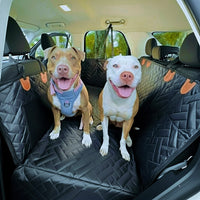
Two dogs create uneven loading and more lateral movement. In EVs, that often shows up as cover creep and bunching unless the setup is anchored and stable.
Weekend Hikes And Daily Commuting
The most common pattern is dirt and hair building up gradually, then suddenly feeling overwhelming. A system that traps mess early makes it easier to keep a premium interior looking premium.
For more day-to-day routines that keep interiors clean, use How to Keep Your Car Clean as a Dog Owner.
Final Thoughts: Protecting Premium EV Interiors Without Compromise
Teslas and EVs reward thoughtful accessories. The biggest wins come from preventing slippage and blocking moisture and grit before they reach your seats, especially if you have white vegan leather.
When your cover stays planted, your dog feels more stable, and your interior stays cleaner with less effort. If you want a premium setup that is built for real dogs and premium cabins, the Whisker Bark tear-resistant dog seat cover is designed to protect smooth EV seats with a stable, non-slip foundation.
Share