

Hard Bottom Dog Seat Cover vs. Soft Bottom Dog Seat Cover
Choosing between a hard bottom and a soft bottom dog seat cover is not a style decision. It is a stability decision, and stability is what prevents the two things owners complain about most: a cover that bunches and slides, and a back seat that ends up soaked, scratched, or permanently dirty.
Whisker Bark sells dog seat covers, and we recommend our own when it fits. This guide is built around failure modes you can actually verify from photos, specs, and simple at home checks. If you already know you want a structured option for heavier riders or high movement dogs, start here: hard bottom dog seat cover.
Quick Decision: Choose a hard bottom if your dog spins, digs, launches, rides long distances, or you constantly re adjust the cover after every drive. Choose a soft bottom if your dog is calm, you drive short trips, and you mainly need a basic barrier for hair and light dirt.
The Real Difference Between Hard Bottom And Soft Bottom Covers
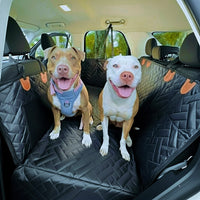
A soft bottom cover drapes over the seat like a blanket. A hard bottom cover adds a rigid platform that stays flatter under shifting weight, which is the difference between a cover that stays put and one that turns into a sliding, bunching mess over time.
| What You Notice | What Causes It | Why Hard Bottom Helps | Soft Bottom Risk |
|---|---|---|---|
| Cover slides and bunches after a few turns | Platform flex plus strap creep plus backing wear | Rigid base reduces center sag so the cover has less slack to drift | Drape creates slack that shifts into wrinkles and bunching |
| Dog slips when stepping in or turning around | Unstable surface and moving fabric under paws | Flatter footing reduces panic steps and repeated claw digging | Movement under paws increases bracing and scratching |
| Wear appears at the same two or three spots | Abrasion hotspots from bunching and repeated rubbing | Less bunching means fewer concentrated wear points | Wrinkles become the abrasion targets |
When A Hard Bottom Cover Is The Better Choice
Hard bottom makes sense when movement and load are your reality. If you recognize any of these, you are the audience this solves for.
- Large breeds and multi dog households where the cover needs to stay flat instead of sagging into a bowl.
- High energy riders that dig, spin, or launch into the back seat, which accelerates abrasion and seam stress.
- Frequent travel where small issues compound, meaning a little drift turns into constant bunching.
- Older dogs or dogs with mobility concerns that need more predictable footing when getting in and turning around.
When A Soft Bottom Cover Is Enough
Soft bottom can work if your usage is light and your dog rides calmly. It is a reasonable choice when you want a quick barrier and do not mind occasional repositioning.
- Short, low movement trips like errands, where the cover mainly catches hair.
- Smaller calm dogs that lie down and do not dig or pivot constantly.
- Owners prioritizing lighter handling who remove the cover often and want something fast to install.
What Actually Makes A Cover Durable
Bottom type is only one part of the durability story. Most covers fail at predictable weak links: the waterproof layer, the seam system, and the hardware.
Waterproofing
Many covers look tough on top but fail underneath because the waterproof layer cracks, peels, or leaks at stitch lines. If a brand mentions a measurable hydrostatic pressure method, that is a credibility signal because it is a real waterproof test approach, not a vague marketing label. Reference example: ISO 811.
Abrasion Resistance
If your dog digs or circles, abrasion is the daily wear mechanism. A brand calling something heavy duty should at least acknowledge abrasion testing as a concept, and ideally reference a recognized method such as ISO 12947-2.
Seams And Hardware
Stitch lines, corners, and strap anchors see the highest stress. If a listing will not show close up photos of anchors and edge binding, you are guessing about the most failure prone zones. Reference examples: ISO 13934-1 for fabric strength concepts, and ASTM D1683 for seam failure in sewn seams.
A Fast Visual Checklist Before You Buy
Use the listing photos to verify build quality in under a minute. If a cover hides these areas, treat that as a red flag.
| What To Look At | What Good Looks Like | What Usually Fails |
|---|---|---|
| Anchor Stitching | Clear close ups of reinforced stitching at strap points | Single line stitching and thin webbing that stretches |
| Corners And Binding | Thick binding with clean edge stitching and solid corner construction | Fraying edges and corners that wrinkle into leak paths |
| Underside Grip | A visible anti slip pattern and clear underside photos | No underside photo and generic non slip claims |
Three Simple Tests You Can Run At Home
These are not lab tests, but they reveal weak coatings, weak seams, and strap slip quickly. If a cover fails these, it will not improve with time.
Test One: Corner Leak Check
Place a dry paper towel under a corner seam area, pour a small cup of water on top, and wait five minutes. If the towel shows dampness or wicking along stitch lines, the weak point is exactly where real leaks usually start.
Test Two: Abrasion Spot Check
Rub the same spot with a damp microfiber cloth using firm pressure for two minutes. If you see immediate fuzzing, coating transfer, or surface breakdown, that fabric will show wear fast under nails.
Test Three: Strap Creep Check
Install the cover tight, mark the strap position with a small piece of tape, drive normally for a few days, and re-check. If the straps slip noticeably or the platform drifts, the cover will keep migrating and bunching.
Installation Tips That Prevent Most Failures
- Tension first, then anchor: tighten straps before pushing seat anchors into the creases so the cover locks in place.
- Stop drift early: if the cover slides after the first drive, retighten immediately, because drift becomes bunching and bunching becomes abrasion.
- Protect the weak zones: keep corners flat and avoid twisting the cover, because corners are where leaks and fraying concentrate.
Final Thoughts
The hard bottom versus soft bottom decision is really about platform stability under real movement. If your dog is big, active, rides often, or you are tired of re-adjusting a drifting cover, a hard bottom design typically solves the actual culprit: sag and bunching that creates wear and leaks.
If you want a structured option designed to stay flatter under shifting weight, the Whisker Bark hard bottom dog seat cover is built around stability so your dog gets more predictable footing and your interior stays protected.
Share