
Why Hard Bottom Seat Covers Support Big And Senior Dogs
When people shop for “support” in the car, they often look for softness first. But for big dogs and aging dogs, orthopedic dog car seat support is usually about something else entirely: stability, pressure distribution, and a surface that does not collapse under real weight.
That is exactly why starting with a hard bottom dog seat cover for joint support like the one from Whisker Bark, can make a noticeable difference for dogs who brace, pace, or struggle to settle during rides. This article explains how orthopedic principles apply to car travel and why a rigid base matters for large frames, stiff joints, and senior mobility.
What Orthopedic-Style Support Actually Means For Dogs
In simple terms, orthopedic support helps a dog’s body rest in a neutral, low-strain position. That matters in the car because a moving vehicle constantly shifts a dog’s weight, especially during turns, braking, and quick lane changes.
Orthopedic-style support principles usually include:
- Even weight distribution across the chest, hips, and legs
- Reduced pressure points that make dogs reposition over and over
- A stable surface that does not collapse or pull inward
- The ability to relax muscles instead of “holding themselves up”
Why Sagging Hammock Seat Covers Stress Joints
Many dog car setups create a hammock effect, where the middle dips and pulls inward. For some dogs, that can feel cozy at first. But for large dogs and senior dogs, a sagging surface often changes posture in ways that add strain over time.
Here is what typically happens with hammock-style setups:
- The surface pulls the dog inward, which can place hips and shoulders at awkward angles
- During turns and braking, dogs often brace harder because footing feels unpredictable
- Big dogs compress fabric unevenly, which creates uneven pressure across the body
- Instead of resting, some dogs stand longer because lying down does not feel stable
This is why the “hard bottom vs hammock dog seat cover” decision can matter so much for joint health. If the setup forces your dog to constantly engage muscles to stay balanced, fatigue builds faster, especially for older dogs with less joint cushioning.
Sagging Vs Flat Surface Diagram
| Surface Type | What Your Dog Feels | Why It Matters For Joints |
|---|---|---|
| Sagging Hammock Surface | Unstable footing and an inward pull toward the center | Encourages bracing, awkward angles, and constant micro-adjustments |
| Flat, Rigid Surface | Predictable footing with less shifting under paws | Supports neutral posture and reduces muscle tension during motion |
How A Rigid Base Distributes Weight Across The Body
Pressure distribution for dogs in cars is one of the most overlooked factors in comfort. A rigid base helps spread load more evenly so the dog’s weight is not concentrated into a few stressed areas. For large dogs, this matters because total weight is higher. For senior dogs, it matters because the body often has less tolerance for uneven pressure and unstable posture.
When the surface is flat and supportive, many dogs naturally:
- Lie down sooner instead of standing and searching for balance
- Relax muscles because the floor feels stable under them
- Maintain a more neutral posture through the chest, hips, and legs
Pressure Distribution Visualization
| Body Area | Uneven, Collapsing Surface | Flat, Rigid Base |
|---|---|---|
| Hips | May sink or tilt, creating uneven load and more bracing | More evenly supported so posture stays steadier |
| Chest And Front Legs | Pressure concentrates as the dog tries to stabilize | Weight spreads more naturally through resting points |
| Spine And Core | More muscle engagement to “hold position” during motion | Less bracing when the surface stays predictable |
Hard Bottom Vs Soft Bottom: Joint Impact Comparison
If you are researching hard bottom dog seat cover orthopedic support, it helps to compare how different surfaces behave under real movement. Soft and hammock covers can shift, bunch, and sag. A hard bottom approach is designed to minimize movement and keep support consistent across the entire ride.
For more background on stability and design choices, see Why Choosing a Hard Bottom Dog Seat Cover.
| Aspect | Soft Or Hammock Covers | Hard Bottom Covers |
|---|---|---|
| Pressure And Posture | Uneven pressure that can encourage awkward angles | Even support that promotes a steadier resting posture |
| Movement During Rides | More shifting and bunching under paws | Minimal movement when properly secured |
| Muscle Engagement | Dogs may brace more during turns and braking | Dogs often relax sooner because footing feels predictable |
| Behavior And Confidence | More pacing and repositioning when stability is unclear | Calmer behavior when the surface feels consistent |
Real-World Examples: Large Dogs And Senior Dogs In Motion
Owners often notice the same patterns when a setup is not supportive. The dog cannot find a stable spot, so they stand, pace, or keep adjusting. Once stability improves, changes can be surprisingly simple and obvious.
- A senior dog who used to stand for most of the ride finally lies down within a few minutes
- A large dog who slid toward the edge or footwell starts staying centered and steady
- Less pacing and fewer position changes during turns and braking
- Less stiffness behavior after longer trips because the dog was not bracing the entire time
- Your dog stands most of the ride instead of settling
- Your dog slips during turns, braking, or when changing lanes
- Your dog keeps repositioning as if they cannot get comfortable
- Your dog looks more stiff or hesitant after arriving
How To Test Seat Cover Stability At Home
You do not need special equipment to evaluate stability. Simple checks can tell you whether your current seat cover behaves like a supportive platform or a moving surface.
- Press-Down Test: Press your palm into the center. Does it sag deeply or rebound into a flat surface?
- Edge-To-Edge Firmness Check: Press near the edges. Does support feel consistent or weak and droopy?
- Sit-Weight Test: Sit gently where your dog typically rides. Does the surface collapse or stay stable?
- Shake Test: Tug the cover side to side. Does the base shift easily or stay planted when secured?
Choosing The Right Seat Cover For Orthopedic-Style Support
If you are trying to find the best seat cover for large dogs with joint issues or a dependable dog seat cover for senior dogs, focus on structure and stability first. Padding can be added on top. A stable base has to be built in.
What to look for:
- Flat, rigid base that resists sagging under real weight
- High weight capacity designed for large frames
- Non-slip backing to keep the surface predictable during movement
- Minimal fabric stretch so the surface stays consistent over time
- Reinforced attachment points so the platform stays secure
If you want a deeper look at stability for larger dogs and load limits, these guides can help: Best Dog Car Seat Cover for Large Dogs.
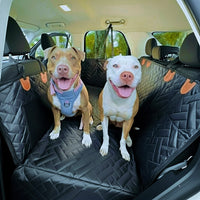
When you are ready to prioritize structure over sag, the Whisker Bark seat cover is built around a flat base designed to stay supportive through real travel, especially for big dogs and older dogs who need stability the most.
Final Thoughts: Supporting Big And Senior Dogs Beyond Padding
True support comes from structure. Orthopedic principles apply beyond beds, especially in a moving car where dogs constantly respond to shifting force. When the surface is stable and weight is distributed evenly, many dogs ride calmer, rest sooner, and brace less during motion.
Car travel should reduce stress, not add it. A hard-bottom foundation can be a practical way to support comfort and confidence as dogs age. If you want a stable foundation for big and senior dogs, the Whisker Bark hard-bottom dog seat cover is built with a hard bottom design that helps keep footing steady and support consistent during real rides.
Share