

How Dog Wheelchairs Fit Into A Rehabilitation Plan
A wheelchair fits into a rehabilitation plan as a tool for controlled practice, not as a way to add more exercise. When used alongside vet-guided rehab, it can make supported movement possible on days your dog cannot safely walk the same distance unassisted. This guide covers when wheelchair sessions help, when to pause for vet input, and how to match support style to what your dog can comfortably do today. If you are still choosing a configuration, start with how to choose a dog wheelchair before fine-tuning the rehab side. Before adding any wheelchair time, confirm with your vet that dog wheelchairs are appropriate for your dog's current condition.
What A Wheelchair Adds To A Rehab Plan
Rehab plans can include multiple tools and should be tailored to your dog. VCA's overview of rehabilitation and physical therapy for dogs shows how broad that toolkit can be. The American College of Veterinary Surgeons notes that physical rehabilitation can be used to improve function and recovery after injury or surgery, with plans tailored to the patient. Wheelchair sessions sit inside that broader plan, alongside professional-guided exercises, comfort care, and environment changes.
Wheelchair work earns its place in a rehab plan when it gives you:
- Repeatable, low-drama practice: short straight lines on flat ground where you can watch form and your dog is not fighting the floor.
- Less lifting strain: fewer emergency saves of the rear end, less bracing, and a safer back for you.
- Routine continuity: a controlled way to keep sniff walks and outdoor time in the week without exhausting your dog.
The mindset that keeps wheelchair time useful: end sessions while form is still good. If your dog is noticeably less willing to move later that day or the next morning, treat that as feedback to reduce duration, simplify terrain, or ask your rehab team to adjust the plan. This often supports broader comfort and quality-of-life goals for conditions like osteoarthritis in dogs, where consistent low-intensity movement matters more than any single session.
Match The Support Type To What Your Dog Can Do Today
"Wheelchair" can mean different support styles, and matching the style to current ability reduces frustration and improves safety. The pattern you are seeing at home points to where to start the conversation with your vet or rehab professional.
| If You Are Seeing | Often Consider | Safety Check |
|---|---|---|
| Rear weakness but steady front legs and good steering | Rear support for controlled walking practice | Your dog can pull forward without stumbling in the front or collapsing at the shoulders |
| Frequent tipping, poor balance, or difficulty staying centered | More stability and slower, simpler routes | Wide turns are possible at home and you can supervise closely |
| Front-end fatigue or discomfort during rear-cart use | A vet-guided plan before adding wheelchair time | Stop if the head drops, shoulders sag, or breathing becomes stressed |
This is not a diagnosis tool. It is a way to notice when the current setup is asking your dog to do more than their body can comfortably handle that day.
When To Pause And Ask Your Vet First
Wheelchair walking is still physical work, and timing matters around injury, surgery, and neurologic conditions. Ask your veterinary or rehab team before starting, or before increasing time, if any of these apply.
- Post-surgical restrictions are unclear: confirm timeline, incision protection, and movement limits before adding sessions. The questions in safe support after surgery help structure that conversation.
- Neurologic signs are changing: a sudden shift in coordination, knuckling, or strength is a pause-and-call moment. For background, see when a wheelchair is appropriate for IVDD.
- Skin is not intact: wounds, pressure sores, hot spots, or damp irritation where straps would contact.
- Front-end limits are significant: if your dog struggles to bear weight comfortably in the front, a rear-support setup may not be the right tool without professional guidance.
- Any acute change: swelling, collapse, a clear comfort change, or a rapid mobility shift.
If you are relying on hope instead of a specific clearance, treat wheelchair time like any other rehab exercise and get the limits spelled out. Standard safety rules during any session apply: keep early practice short, supervise every session, check skin under straps after use, and stop if you see rubbing, distress, tipping, refusal, or a sudden mobility change.
Final Thoughts
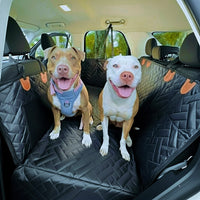
A wheelchair earns its place in a rehab plan when sessions are short, supervised, and focused on quality of movement rather than distance. Keep comfort and alignment first, end while form is still good, and treat changes in willingness as feedback rather than stubbornness. A properly fitted Whisker Bark dog wheelchair can support that structure when paired with your veterinary team's guidance and your own day-to-day tracking. For the car rides to rehab appointments that often come with a mobility plan, a tear-resistant Whisker Bark dog seat cover helps protect seats from paws, wheels, and the cleanup days that follow a long session.
Share