

Cold Weather And Dog Wheelchairs: Winter Tips For Traction
Winter is when small issues become big problems. Your dog may need the wheelchair for potty breaks and short walks, but icy sidewalks and salty slush can turn a normal outing into slipping, paw irritation, and a stressful experience fast.
Common winter culprits include traction loss on ice or packed snow, road salt and de-icer residue that can irritate paws and trigger licking, wet wheels and frame that collect grit, and cold plus mobility limits that shorten outdoor tolerance. If you are using rear-support dog wheelchairs, prioritize controlled routines over distance.
If you want a refresher on fit and safe use year-round, start with dog wheelchair fit and safe use.
Winter Self Check: Is Today A Go Day Or An Indoor Day
Conditions vary daily. If it is not safe for you to walk, it is not safe for a wheelchair session. Use these decision rules before you go outside, and keep cold-weather risks in mind per AVMA cold weather safety guidance.
- Choose an indoor day if there is visible ice, an ice sheen, or you cannot keep stable footing.
- Choose the shortest possible trip if plowed paths exist but transitions (doorways, curb cuts, crosswalk edges) look slick or slushy.
- Turn back immediately if your dog freezes, tries to rush, refuses treats, or repeatedly slips at transitions.
- Skip the session if you cannot closely supervise due to low light, time pressure, or uneven surfaces.
Paw Protection For Wheelchair Dogs
Even with rear support, front paws handle most steering and braking. In winter, snow clumps and salt residue can change your dog’s gait and make them brace harder, and de-icers can irritate paws.
What To Use
- Booties: A barrier that reduces contact with salt and sharp ice. Many dogs need brief indoor practice sessions first.
- Paw wax or balm: Can help with dryness and mild exposure during quick trips.
- Wipe, rinse, then dry: Wipe paws and lower legs after every outing and dry thoroughly to reduce residue your dog may lick.
When Paw Protection Needs To Increase
- Immediate licking or chewing at paws after coming inside.
- Limping, lifting a paw, or refusing to continue mid-trip.
- Redness, cracking, or irritation between toes.
Traction And Control: The Three Variables That Cause Slips
Most winter incidents come from a predictable mix of surface, speed, and turning. Focus on controlling those three, especially at transitions like doorways, curb cuts, and packed snow at crosswalks.
Traction Rules That Prevent Most Problems
- Start only on cleared, flat paths with predictable footing.
- Avoid steep slopes, icy driveways, and shaded patches with an ice sheen.
- Keep the first 10 to 15 steps straight before attempting any turns.
- Make turns wide and slow. Tight turns are where skids happen.
- At the doorway, use a small traction mat or rug for the first steps outside if your entry area is slick.
Stop Signals: Slip Or Tip Risk
- The cart swings outward during turns or feels like it is pulling to the side.
- Your dog braces hard with the front legs to stop or steer.
- A wheel skids sideways during a turn.
- You feel like you are catching the chair rather than guiding it.
Time Outside: A Simple Winter Routine

Cold plus mobility limits often compound fatigue. In winter, most dogs do better with a short, predictable routine than a long outing, especially in line with ASPCA cold weather safety tips.
Five-Step Winter Loop
- Warm up indoors: 30 to 60 seconds of calm standing and a few steps on rugs or runners.
- Go out for purpose: potty plus a brief, flat loop on a cleared surface.
- Keep it simple: straight lines first, then one wide turn if footing stays stable.
- End early: go inside before rushing, slipping, or the refusal starts.
- Reset indoors: wipe paws, dry the cart, and give your dog a chance to rest.
End The Session If You See
- Shivering, tense posture, frantic hurry, or sudden refusal to continue.
- Repeated slipping at transitions or any wheel skid on turns.
- Paw sensitivity signs like lifting paws, limping, or intense licking once indoors.
Drying And Cleaning After Snow, Slush, And Salt
Snow and salt residue can collect in wheel areas and joints. Wet straps can also increase rubbing risk if reused before fully dry. A consistent dry-down routine supports predictable winter use.
Post-Walk Dry-Down Routine
- Wipe the frame, straps, and wheels with a damp cloth to remove grit and salt residue.
- Pay attention to grime-collection areas like wheel hubs, joints, and fasteners.
- Dry everything fully before storage, including straps and contact points.
Manufacturer care guides commonly recommend rinsing or hosing down wheels after exposure to saltwater, mud, sand, or similar debris, then drying thoroughly to help prolong hardware and bearing life.
Quick Winter Maintenance Checks
Winter is a high-grit season. These fast checks reduce surprise issues on the next outing.
- Wheel roll check: lift the rear slightly and spin each wheel. It should roll smoothly without grinding or resistance.
- Wobble check: gently wiggle each wheel side-to-side. New looseness is a reason to pause and inspect.
- Strap check: look for dampness, twisting, fraying, or any edge that could rub when wet.
- Fastener check: confirm key knobs and clips feel secure before you go out again.
How To Self Diagnose Winter Fit And Usage Issues
Winter can hide problems until a dog is already cold or frustrated. These checks help you catch problems early.
- Straight-line tracking test: On a cleared flat surface, walk 15 to 20 feet in a straight line. If the cart consistently drifts left or right, treat it as a setup or symmetry issue and pause to recheck alignment.
- Rubbing check: After a short outing, check contact points for redness or hair disruption. Snow and thick coats can mask early irritation until you are back inside.
- Doorway transition check: Do the first steps out the door stay controlled, or do you see slipping or wheel skids at the threshold?
- Turn check: If wobble appears on turns, slow down and widen the arc, or return to straight-line practice only.
Mistakes That Cause Rubbing, Tipping, Or Refusal In Winter
- Testing icy surfaces “just to see,” instead of choosing a cleared route.
- Letting your dog rush on snow, which makes turning unpredictable.
- Skipping the wipe and dry routine, so salt sting builds up and licking increases.
- Storing the wheelchair wet, which can increase grit buildup over time.
- Taking the usual route even when conditions changed overnight.
Culprit First Winter Diagnostic Table
| If You Notice This | Likely Winter Cause | Try This Next |
|---|---|---|
| Slipping at doorways or curb cuts | Transition traction loss | Add a traction mat at the exit, keep first steps straight, slow the pace |
| Wheel skids sideways on turns | Tight or fast turning on low grip | Widen turns, reduce speed, stick to flatter cleared surfaces |
| Paw licking after walks | Salt or de-icer residue irritation | Booties or barrier wax, wipe or rinse and dry every time, shorten trips |
| Dog braces hard with front legs | Low grip plus higher steering and braking demand | Reduce distance, avoid icy sections, keep the route flat, end earlier |
| Wheels feel gritty or resist rolling after slush | Grit and moisture buildup | Wipe down, rinse if needed per manufacturer guidance, dry fully, pause until smooth |
When To Stop And Ask Your Vet
Stop and consult your veterinarian or a rehab professional if you notice any of the following, including cold stress signs noted in VCA cold weather safety guidance:
- Persistent paw irritation, bleeding, cracking, or significant limping.
- Signs of cold stress like ongoing shivering, lethargy, or distress.
- Sudden mobility decline, pain signals, or repeated falls or slips.
If You Are Shopping: Winter Practical Criteria
This section is shopping guidance, not training advice. If winter use is a priority, look for a setup that makes cold-weather routines easier to maintain:
- Predictable tracking: a setup that stays aligned and feels controllable on cleared, flat surfaces.
- Comfort-focused contact points: straps and supports that minimize rubbing risk, especially when damp.
- Easy cleaning: parts and materials you can wipe down, rinse as directed, and dry quickly.
- Available replacement parts: winter wear is real, so easy-to-replace wear items matter.
If you are comparing options for year-round use, this guide on how to choose a dog wheelchair can help you prioritize stability, comfort, and practical maintenance.
Final Thoughts
Winter wheelchair use can be safe when you choose predictable footing, protect paws from salt and de-icers, and keep a consistent wipe and dry routine. Conditions vary daily, so it is okay to choose an indoor day when surfaces are icy or visibility and footing are not reliable.
Watch for early warnings like slipping at transitions, wheel skids on turns, paw licking, toe redness, refusal to keep walking, or your dog bracing hard to steer. If those signs persist, pause and involve your vet or rehab professional so you can adjust safely.
For owners who want a comfort-first, year-round mobility routine, the Whisker Bark dog wheelchair supports predictable use with supervision and gradual routines that put safety first.
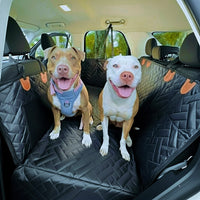
And for winter errands and post-walk cleanup, many owners also like pairing mobility support with a Whisker Bark dog seat cover with a waterproof, hard bottom to help protect car interiors from wet paws, slush, and grit.
Share