

Can Paralyzed Dogs Walk Again: Recovery Scenarios Explained
You are not wrong to ask this on day one. When someone says “paralyzed,” your brain immediately goes to worst-case scenarios, and online answers swing between miracle stories and doom.
The honest answer is: sometimes, and it depends. The cause category shapes recovery, the neurologic function your vet assesses today, how quickly the situation is stabilized, and the quality of nursing care and rehabilitation support. “Walking again” can also mean different outcomes, from assisted steps to short, wobbly distances to steady independent walking. After veterinary evaluation and when appropriate, supportive tools like pet wheelchairs may help some dogs maintain safe routines as part of a vet-guided plan.
If you’re new to fit and safe use basics, start here: dog wheelchair guide for beginners.
Recovery Scenarios That Change Expectations
This section is educational, not diagnostic. Your veterinarian’s exam and imaging determine what applies to your dog. The goal here is to understand why some cases recover differently than others.
| Cause Bucket | What Recovery Can Look Like In General | What Helps Most | What To Avoid |
|---|---|---|---|
| Compression-related spinal cord events (example: IVDD) | Recovery potential varies by neurologic severity and vet-assessed findings. Some dogs regain functional walking, some recover partially, and some need long-term support. | Urgent evaluation when signs worsen, stabilization, and a vet-directed plan. In IVDD, prognosis discussions commonly reference neurologic status and clinician-assessed deep pain. How neurologic status informs IVDD management and prognosis discussions | Forcing walking to “test function,” skipping restrictions, or adding mobility devices before clearance. |
| Trauma | Depends on spinal stability, injury location, and neurologic findings. Some dogs improve substantially; others have lasting deficits. | Safe handling to avoid twisting, urgent stabilization, and rehab planning when cleared. | Moving the dog in a way that twists the spine, or allowing falls on slippery floors. |
| Vascular spinal events (example: FCE) | Often sudden onset, then the pattern stabilizes rather than steadily worsening. Many dogs improve over weeks, though deficits can remain depending on severity and location. | Veterinary confirmation of the category, then supportive care and rehabilitation when safe. How supportive care and rehab are used in FCE | Assuming it will resolve without a plan, or adding strenuous activity early. |
| Degenerative neurologic disease | Often progressive. Planning shifts toward safety, comfort, and assistive routines rather than expecting full return of function. | Home modifications, fall prevention, skin protection, and supportive tools when appropriate. | Overpromising recovery or pushing endurance beyond safe footing. |
If your dog’s paralysis is IVDD-related, two reputable starting points are ACVS guidance on intervertebral disc disease and the ACVIM consensus statement on acute thoracolumbar IVDE.
What Influences Recovery
When you’re overwhelmed, it helps to know what your vet team is actually looking at. These factors tend to shape prognosis conversations and rehab decisions:
- Severity today: neurologic status on exam and whether signs are stable or progressing.
- Speed of change: rapid worsening generally raises urgency.
- Bladder function: new incontinence or inability to urinate needs prompt guidance.
- Pain control and stability: whether comfort and function are improving under the plan.
- Safe participation in rehab: ability to do controlled work without repeated falls or distress.
- Nursing care quality: skin protection, repositioning, hygiene, and traction to prevent setbacks.
Nerve Healing Timelines Without False Promises
A timeline can feel like a lifeline, but it’s also where the internet becomes unreliable. A safer way to think about time is in phases, with reassessment points guided by your vet team.
Phase One: Stabilization And Preventing Secondary Damage
Early on, the goal is to stop things from getting worse. That usually means strict safety: minimal movement, no “practice walking,” safe transfers, and follow-through on the medical plan. If your dog is paralyzed, home nursing routines matter immediately, including bladder and skin management, which is outlined in VCA homecare guidance for paralyzed pets.
Phase Two: Rehab Foundations And Safe Movement Planning
When your vet clears it, rehab focuses on controlled, low-risk movement patterns. This is where traction, supervision, and short routines matter more than distance. Progress often looks boring: fewer slips, steadier footing, calmer transfers, and less fatigue afterward.
Phase Three: The Longer Arc Of Healing And Conditioning
Some neurologic recoveries and conditioning gains can continue for months. For IVDD specifically, Cornell’s IVDD overview notes recovery can take months, which is why many plans emphasize reassessment and gradual progression rather than a quick finish line.
Rehab’s Role Even When Walking Is Not Yet Possible
Rehab is not just about “making a dog walk.” It’s also about comfort, preventing stiffness, maintaining circulation and muscle where possible, and building safer daily routines. Depending on the diagnosis and restrictions, your vet or rehab team might use assisted standing, supported stepping, or underwater treadmill work when cleared, but the right mix depends on what is safe for your dog’s specific cause and stage.
Can A Wheelchair Be Part Of Rehab
Sometimes. In the right situation, a wheelchair can support upright positioning and controlled stepping practice when the rehab plan allows it. But it can also be harmful if used too early when strict rest is required, if it causes tipping or distress, if it creates rubbing, or if it encourages speed and turning before control exists.
A simple rule: a wheelchair should support a rehab plan, not replace diagnosis, treatment, or restrictions. If you are caring for a paralyzed dog at home, the nursing basics in VCA’s homecare overview are worth reviewing before you add any mobility device.
Wheelchair Readiness Checks
This section is for after veterinary evaluation and clearance for supported movement. If you do not have clearance, pause and ask your vet what is safe today.
Readiness Gate
- Clear vet clearance for supported movement, plus clear restrictions on what is not allowed.
- Your dog tolerates gentle positioning without escalating distress.
- Your setup is safe: flat, non-slip surface, quiet setting, wide turning space.
Fit Looks Wrong Indicators
- Redness, hair disruption, strap licking, or rubbing after a short session.
- Crooked posture or consistent drifting to one side on a flat surface.
- Tipping-risk signs like wobble, cart swing outward, or wheel skid during turns.
- Refusal that starts only after the equipment is on.
Stop And Reassess Rule
If you see distress, tipping, rubbing, sudden change in function, or repeated slipping, pause and reassess. If you cannot resolve fit or safety quickly, stop and ask your vet or your fitting support team before continuing.
Common Mistakes That Create Setbacks
Most setbacks are not “bad luck.” They are usually timing, traction, or session-length problems. The most common ones are starting mobility aids before clearance, letting sessions run too long early, using slippery floors and tight turns, and skipping skin checks after use.
When To Stop And Call Your Vet
Call promptly if paralysis or weakness worsens suddenly, your dog shows severe pain behaviors, bladder or bowel function changes, breathing becomes difficult, repeated falls continue, or skin sores develop or worsen.
Comfort And Safety Reminders
- Do not force walking to “test function.”
- Use traction runners and block stairs to prevent falls.
- Protect skin if dragging occurs and avoid rough surfaces.
- Keep movement controlled and supervised when cleared.
- Measure progress by comfort and stability, not distance.
What To Look For In A Wheelchair Setup
When your vet says a wheelchair makes sense, the best “quality” markers are the ones that reduce avoidable problems: adjustability for fine-tuning, stable rolling on flat surfaces, and contact points that make skin checks easy. If you are comparing options after clearance, how to choose a dog wheelchair walks through fit, stability, and real-life handling.
Final Thoughts
Can paralyzed dogs walk again? Sometimes. The most honest path is focusing on safety and vet partnership first, then measuring progress by comfort, stability, and return of meaningful routines, even if those routines look different than before.
If your vet recommends supervised mobility support as part of a rehab plan, the Whisker Bark dog wheelchair can support short, controlled movement with routine comfort checks and traction-first surfaces.
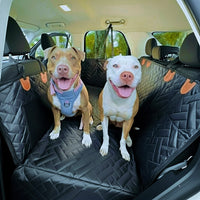
For daily logistics during recovery planning, many owners also keep a waterproof or tear resistant Whisker Bark dog seat cover on hand to make car transfers and cleanup simpler when routines change.
Share