

Dog Car Seat Cover Guide for Multi-Dog Households
Traveling with one dog is usually manageable. Traveling with two or three dogs changes the wear points in your vehicle fast. More paws hit the same seams, more weight shifts during turns and stops, and hair plus grit builds up in the same corners of the backseat.
This is a practical buyer’s guide built around checks you can do at home. You will measure space, watch for sag and drift, and decide whether you need a tighter install, a different layout, or a flatter riding surface.
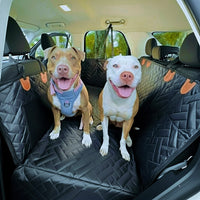
If you want a durable foundation designed to handle combined weight and constant movement, a dog car seat cover for multiple dogs with a structured base can be a solid starting point for many multi-dog setups.
What Usually Fails First In Multi-Dog Setups
These are the most common failure points owners describe when a cover “works” for one dog but feels unstable or messy with two or three.
- Footwell sag: The center droops into the gap between the bench and the floor, so dogs drift inward and stack in the middle.
- Anchor pop-out: Seat anchors pull up during entry, exit, or repeated pawing at the seat edge.
- Strap creep: Straps loosen over a few trips, especially if tightened unevenly left-to-right.
- Door-panel contact: More entry and exit means more scratches, drool, and muddy shake-offs on doors.
- Seam abrasion at push-off points: The front edge of the bench and the centerline are common “launch zones” where claws grind into stitching.
Three Measurements That Tell You What To Fix
You do not need special tools. Use a tape measure (or ruler) and your phone camera. The cutoffs below are conservative rules of thumb to help you decide what to try next. If your dogs are large, senior, or anxious in the car, use the stricter end of the range.
Measurement 1: Space Math
This tells you whether two or three dogs can realistically share the backseat without constant crowding.
- Measure usable bench width: Measure the flat sitting area from left to right.
- Measure each dog’s shoulder width: While standing, measure across the widest point of the shoulders.
- Add them up, then add a buffer: Add 4 to 6 inches for two dogs, or 6 to 10 inches for three dogs.
- Decision rule: If the combined width plus buffer is greater than usable bench width, plan a two-zone layout (backseat plus cargo, or separate secured spaces), instead of forcing all dogs onto one surface.
Example: A 50-inch usable bench with two dogs measuring 17 inches and 18 inches (35 inches total) plus a 6-inch buffer equals 41 inches, which usually leaves workable space. If you add a third dog, this same bench often becomes a zoning problem, not a “better cover” problem.
Measurement 2: Sag Depth
This tells you whether the cover is creating a slide-to-center surface.
- Install the cover and tighten it.
- Lay a straight object across the bench (a broom handle, yardstick, or stiff cardboard) where paws land most.
- Measure the vertical drop to the lowest point of the cover in the middle.
- Decision rule: If sag depth is 1 inch or less, most dogs keep footing with a good install. If sag depth is 1 to 2 inches, many dogs start bracing on turns, especially with two dogs. If sag depth is over 2 inches, sliding and crowding becomes much more likely, and a flatter platform or zoning is usually the fastest fix.
Measurement 3: Drift After Two Short Trips
This separates “install problem” from “layout mismatch.”
- After tightening, take a photo of the cover edge aligned with a seat seam.
- Drive two short trips (errands-level, not an all-day road trip).
- Take the same photo again and compare the alignment.
- Decision rule: If the cover edge moved less than 1 inch, you are close. Re-seat anchors and tighten evenly and you may be done. If it moved 1 to 2 inches, treat it as strap creep or shallow anchors and re-install. If it moved more than 2 inches, you likely need a different cover shape, better grip, or fewer dogs on the same surface (zoning).
Troubleshooting Table For Common Multi-Dog Problems
| What You Notice | Most Likely Cause | Try This First | If It Keeps Happening |
|---|---|---|---|
| Dogs slide into the middle on turns | Footwell sag, low tension | Measure sag depth, re-seat anchors, tighten evenly | Flatter platform or two-zone layout |
| Cover bunches near the centerline | Uneven strap tension | Tighten left and right in small alternating steps | Look for better strap geometry and grip |
| Tape marks move over a week | Strap creep | Re-tighten after trip one and trip two, then re-check weekly | Simplify layout or upgrade strap hardware |
| Door scratches and drool streaks | Repeated entry and exit without side protection | Add door protection, wipe after wet rides | Choose a setup with more consistent side coverage |
| Seams look fuzzy or frayed at the seat edge | Claw abrasion at push-off points | Trim nails, reduce grit buildup, inspect stitching monthly | Prioritize reinforced seams in the next cover |
Choose A Layout By Dog Count
One Dog
Basic protection is often enough. If your dog paces, braces, or slips during stops, prioritize a flatter surface and a tighter install over extra padding.
Two Dogs
Two dogs need shared footing. Your goal is to keep the surface flat enough that neither dog gets pushed into the center on turns.
- Use the numbers: If sag depth is over 1 inch or drift is over 1 inch, fix those before you buy add-ons.
- Reduce chaos at entry: Two dogs jumping in at once is when anchors and straps usually get yanked loose.
Three Dogs
Three dogs often do better with zoning than with a single cover on a single bench.
- Decision rule: If your space math does not work, do not force it. Split backseat and cargo, or use separate secured spaces that keep dogs from crowding.
- Decision rule: If one dog seems stressed when crowded, zoning typically helps more than changing materials.
When A Flatter Base Helps And When It Does Not
A structured base can reduce sag in many vehicles because it bridges the footwell and spreads load across a wider area. That said, it is not a magic fix for every situation.
- Most helpful: Two dogs on a sedan bench, deep footwells, dogs that slide to center, and setups that fail the sag-depth check.
- Less helpful: Benches that are already flat, single small dogs, or three-dog situations where the real issue is simply not enough space.
- Never a substitute for restraint: A cover protects upholstery and can improve footing, but it does not secure your dogs in a crash.
Install Steps That Reduce Drift
If your setup fails the drift check, do this before you replace anything.
- Anchor placement: Push anchors deep into the seat crease so they resist upward pull.
- Even tension: Tighten left and right straps in small alternating steps until centered.
- Re-tighten early: Re-check after trip one and trip two. Most strap settling happens in the first week.
- Confirm buckles: Make sure seat-belt buckles stay reachable after tightening.
Cleaning That Scales With Multiple Dogs
Multi-dog mess becomes a problem when grit sits in seams and hair stays trapped in fabric for weeks. A simple cadence usually beats occasional deep cleans.
- Weekly: Shake out hair and grit outdoors, then vacuum seams and corners.
- Monthly: Wash or wipe down (follow your cover’s care instructions).
- After wet trips: Dry fully before the next drive so moisture does not linger in stitching and padding.
If you want a whole-car routine that includes doors and flooring, this guide on keeping your car clean as a dog owner lays out simple habits that stay realistic for multi-dog homes.
Safety Notes For Every Trip
A seat cover can help protect your interior and improve footing, but it does not restrain your dogs. Many veterinary and animal-welfare organizations recommend securing pets with a properly fitted harness system or a secured carrier to reduce injury risk and driver distraction.
- AVMA: Pet Safety In Vehicles
- ASPCA: Traveling With Pets Dos And Don’ts
- Center for Pet Safety: Harness Test Results
- AAA: Driving With Your Pet
If your dog shows distress in the car (refusing to ride, heavy panting, drooling, or sudden behavior changes), consider shorter sessions while you adjust the setup and check in with your veterinarian for guidance.
Final Thoughts On Building The Right Multi-Dog Car Setup
The best multi-dog setup is the one that fits your space, stays tensioned, and stays easy to maintain. Start with three checks: space math, sag depth, and two-trip drift. Those numbers tell you whether you need a better install, a flatter riding surface, or a two-zone layout.
If your backseat keeps turning into a slide-to-center pileup, a structured base can be worth considering for the simple reason that it can reduce sag in many vehicles. For a foundation designed for multi-dog use, the Hard Bottom Dog Seat Cover from Whisker Bark is one option owners choose when they want a hard-bottom insert and, depending on the model they pick, a waterproof and tear-resistant surface for day-to-day mess.
Share