

Anxiety-Friendly Car Setup For Nervous And Rescue Dogs
If you are working on a better car setup for anxious dog behavior, start by assuming your dog is not being difficult. Many nervous dogs associate the car with stressful outcomes, or they feel unsafe when the ride is noisy, wobbly, and visually confusing.
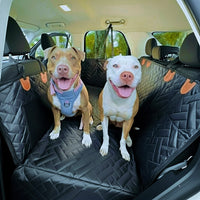
The good news is that anxiety often drops when the environment becomes predictable. A simple first step is creating a stable footing and a consistent “safe zone” in the back seat using an anxiety-friendly dog seat cover that stays planted under paws and helps your dog settle faster.
Anxiety Trigger Checklist
These triggers are common for rescue dog anxiety in the car and for dogs who shake, pace, or refuse to enter the vehicle.
- Slipping or shifting surfaces that make the footing feel unreliable
- Lack of visual reference points, especially during turns
- Loud road noise, vibrations, and unfamiliar mechanical sounds
- Sudden braking or quick turns that feel unpredictable
- Unfamiliar smells, including strong air fresheners or new cleaners
What Triggers Anxiety In Dogs During Car Travel
Car travel tips for anxious dogs often focus on training alone, but the physical setup matters just as much. If your dog cannot find stable footing, their body stays in “ready mode.” That means tense muscles, scanning, pacing, and difficulty settling.
Many anxious dogs also struggle with motion confusion. Without clear line-of-sight cues, turns and stops can feel sudden and disorienting. For dogs with unknown past experiences, that combination can turn every ride into something they try to escape.
Why A Stable Base Reduces Anxiety Immediately
One of the fastest ways to lower stress is to remove slipping. When paws slide, the fear response tends to spike because the dog cannot predict what their body will do next. Nervous dogs often pace for the same reason people fidget when they feel unsafe. They are searching for a spot where their body feels steady.
A flat, supportive surface helps because it reduces micro-movements. Instead of constantly correcting posture, dogs can relax muscles and choose to lie down voluntarily. For many households, this is the difference between a dog that stands and pants the entire ride and a dog that settles within minutes.
Stable Vs Slippery Surface Comparison
| Setup Factor | Slippery Or Shifting Surface | Stable, Flat Surface |
|---|---|---|
| Footing | Paws slide during turns and braking | Paws feel planted and predictable |
| Body Language | More pacing, panting, scanning, and bracing | More settling, calmer posture, fewer adjustments |
| Trust Over Time | Every ride reinforces “the car is scary” | Every ride reinforces “the car is safe” |
Mesh Visibility And Line-Of-Sight Comfort
Visibility is underrated for anxious dogs. Many dogs calm down when they can see what is happening. Mesh windows can provide line-of-sight comfort without fully opening the space and overstimulating the dog.
Benefits of mesh visibility and airflow include:
- Clear reference points that reduce motion confusion
- Less surprise during turns and stops because the dog can orient themselves
- Improved airflow, which can help dogs who pant or drool when stressed
- More comfort during warm rides because trapped heat can increase agitation
This tends to matter most for dogs that pace, watch the road closely, or seem unsettled until they can “figure out” the ride.
Anti-Slip Anchoring And Secure Attachment Points
Even a good surface becomes stressful if it slides. When a seat cover shifts, the dog learns that the environment is unreliable. That creates more startle responses and more bracing, especially for dogs who already expect something to go wrong.
Look for anchoring that helps the surface stay consistent:
- Headrest anchors that reduce forward and sideways movement
- Non-slip backing that grips the seat instead of skating on it
- Reinforced straps and attachment points that stay tight over time
The goal is not just restraint. It is building trust through a predictable space, ride after ride.
Where To Place An Anxious Dog In The Car
Where an anxious dog should sit in the car depends on their specific triggers, but the best car setup for nervous dogs usually balances three things: stable footing, visibility without overstimulation, and fewer “surprises” from doors opening.
Where Should My Dog Sit? Placement Guide
| Placement Option | Best For | Watch Outs |
|---|---|---|
| Back Seat, Side Seat | Most anxious dogs who need stability and a defined space | Avoid the door that opens most often if your dog startles easily |
| Back Seat, Center | Dogs who feel safer “tucked in” and benefit from a central view | Some dogs dislike being too exposed to windows on both sides |
| Cargo Area (SUVs Only) | Dogs who overstimulate easily and do better with a quieter space | Needs secure footing and safe restraint planning for your vehicle |
In most cases, the back seat is the easiest place to create a predictable, stable zone with consistent footing and controlled visibility.
Desensitization Routines That Work With The Right Setup
If your dog is fearful, the goal is not to force the ride. It is to build calm repetitions. A stable setup makes training easier because your dog is not fighting the environment while they are trying to learn.
Desensitization Routine Timeline
| Step | What To Do | Goal |
|---|---|---|
| 1 | Sit in the parked car with the engine off for a few minutes | Car becomes neutral, not scary |
| 2 | Start the engine briefly, then end the session calmly | Sound becomes familiar and predictable |
| 3 | Short drive to a calm, positive destination | Ride predicts good outcomes |
| 4 | Gradually increase duration while keeping the routine consistent | Confidence builds through repetition |
Music, Scent, And Familiarity Tips For Calmer Rides
How to calm a dog during car rides often comes down to predictability. Many dogs do best when the sensory environment stays consistent and low stimulation.
Calming Tools Snapshot
| Tool | Why It Helps | Keep It Calm By |
|---|---|---|
| Low-Tempo Music | Masks road noise and smooths the sound environment | Using the same playlist each ride |
| Familiar Blanket Or Toy | Adds a safe scent cue and a known comfort item | Keeping it car-only so it signals “this space is safe” |
| Consistent Routine | Reduces uncertainty and prevents anticipation spirals | Leaving, loading, and stopping the same way |
| Clean, Neutral Smell | Strong scents can trigger alertness and discomfort | Avoiding air fresheners and heavy cleaners |
If your dog is sensitive, try to avoid novelty in the car. Less stimulation often equals calmer rides.
Real-World Relief: How Setup Changes Helped Nervous Dogs
Owners often describe a similar shift when the setup becomes stable and consistent. A dog that used to pace can finally rest. Panting can reduce. Whining becomes less frequent because the dog is no longer in constant alert mode.
Final Thoughts: Creating A Calm, Predictable Space Builds Trust
Anxiety is often environmental. When a dog feels unstable, visually blocked, or unsure what will happen next, their body stays tense and their mind stays alert. But when you improve stability, give them line-of-sight comfort, and keep the routine consistent, many dogs begin to relax in ways that feel almost immediate.
Small setup changes can make a big emotional difference. Over time, calm rides can improve your dog’s overall quality of life because the car stops being a trigger and starts becoming a safe space.
If you want a foundation that supports steadier footing and a more predictable ride zone, the Whisker Bark waterproof dog seat cover helps create a stable back-seat surface that stays consistent for nervous and rescue dogs.
Share